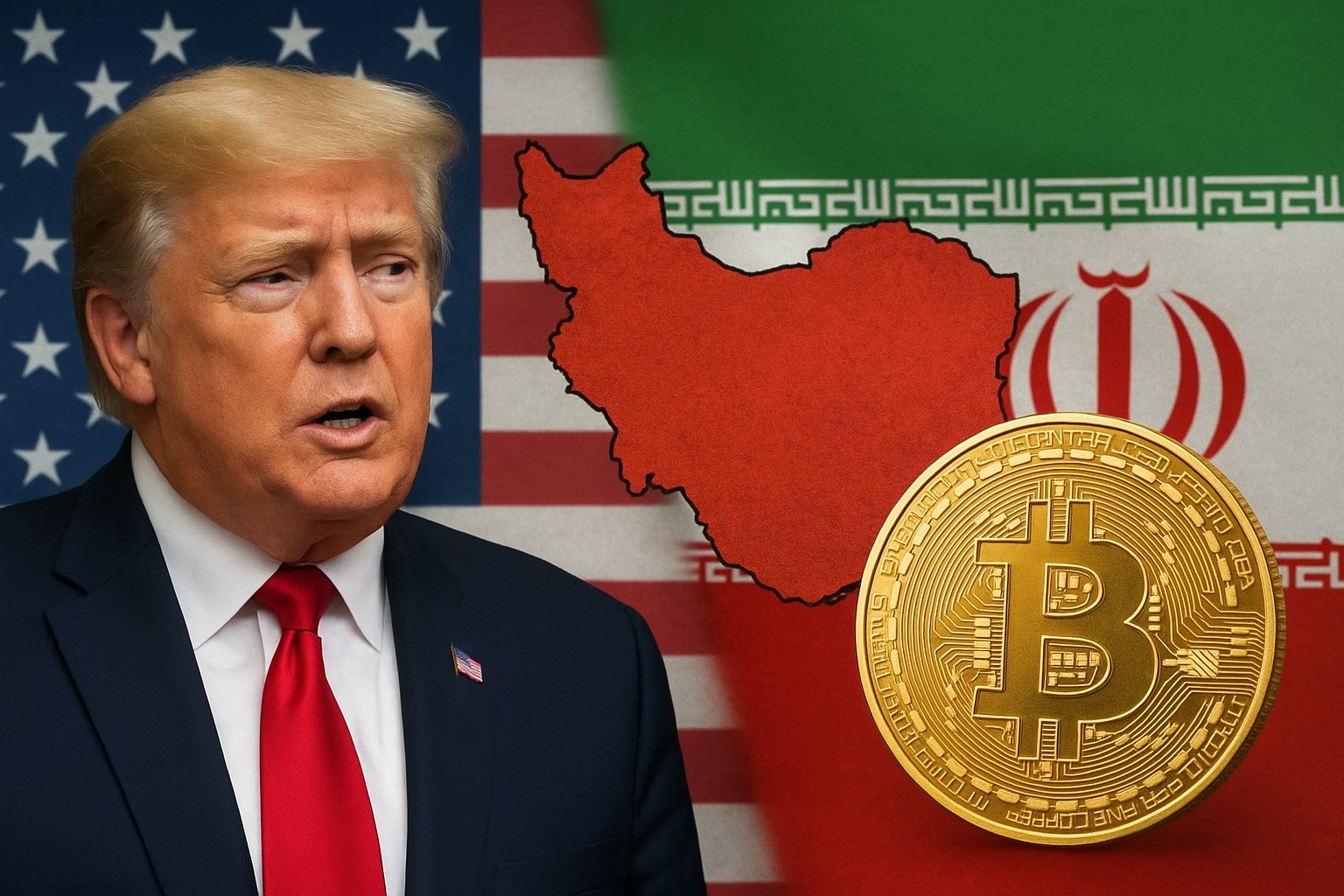
Will geopolitical risk between Trump and Iran lift Bitcoin higher is a timely question because markets often reprice uncertainty faster than they digest fundamentals. When headlines accelerate, Bitcoin can behave like a risk asset, a hedge, or both—depending on liquidity and positioning.
Why Trump–Iran headlines can move Bitcoin at all
Geopolitical risk matters to Bitcoin less through direct exposure and more through second-order effects: energy prices, the US dollar, rates expectations, and overall risk appetite. When traders see the possibility of escalation—whether rhetoric, sanctions talk, or tension around shipping routes—they often reduce exposure to fragile markets and rotate into what they perceive as resilient or liquid instruments.
Bitcoin sits in a unique spot. It trades 24/7 globally, it’s highly liquid compared with most crypto assets, and it’s increasingly integrated into macro portfolios. That means it can catch flows when traditional markets are closed, but it can also be sold quickly when investors need cash or when leverage gets unwound.
In my view, the key is not whether the news is scary; it’s whether the news changes liquidity conditions. If tension pushes oil higher and strengthens the dollar, Bitcoin can feel pressure. If it triggers a broader “hedge the tail risk” bid—especially outside US hours—Bitcoin can rally sharply.
Bitcoin as safe haven vs risk asset: what history suggests
People like to frame Bitcoin as digital gold, but price action often tells a more complicated story. In many macro shocks, Bitcoin initially trades like a high-beta risk asset—selling off when equities and credit wobble—then later rebounds as the narrative shifts toward debasement hedges, capital controls, or distrust in institutions.
A practical way to think about it is in phases. First comes the liquidity reaction (sell what you can, not what you want). Then comes the narrative and positioning reaction (rotate into hedges, rebuild exposure, chase momentum). That’s why the same geopolitical episode can produce a dip followed by a strong recovery.
If you’re trying to trade the Trump–Iran angle specifically, it’s useful to watch how gold, the dollar index, and oil move together. When gold rises while the dollar is flat-to-down, Bitcoin tends to have a better chance of benefiting from the hedge impulse. When the dollar spikes and yields rise, Bitcoin often struggles because global liquidity tightens.
Low volatility and weak liquidity: why breakouts happen fast
When Bitcoin spends days compressing in a tight range, traders often underestimate how violent the next move can be. Low volatility regimes tend to attract leverage (because risk looks cheap), and order books can get thin as participants wait for confirmation. That mix can set up a sudden expansion once a catalyst hits—geopolitical headlines included.
Thin liquidity matters more than most retail investors realize. If the market is shallow, it takes less capital to move price, which can create a feedback loop: stops trigger, liquidations cascade, and price overshoots. The direction is often determined by where leveraged positions are crowded and where resting liquidity sits.
This is where geopolitical risk becomes an accelerant rather than a primary driver. The headline itself doesn’t need to “justify” a 3–6% move in Bitcoin; it only needs to nudge a market already primed by positioning. If you’ve ever watched Bitcoin jump at odd hours on a news alert, that’s usually liquidity mechanics at work.
Analysts track a possible end to the squeeze: signals to monitor
Volatility squeezes don’t predict direction—they predict expansion. If you’re evaluating whether Trump–Iran risk could lift Bitcoin, your edge comes from identifying which side is more vulnerable: overleveraged shorts that can get squeezed upward, or crowded longs that can get flushed first.
Practical checklist for a squeeze-to-breakout setup
- Volatility compression: narrowing ranges on key timeframes (4H/1D) alongside declining ATR or Bollinger Band width
- Open interest vs spot: rising open interest while spot volume lags can signal leverage building without real demand
- Liquidity pools: obvious equal highs/lows and local range extremes where stop orders tend to cluster
- Funding rates: persistently positive funding suggests long crowding; negative funding hints at short crowding
- Spot premium/discount: watch whether spot leads perp moves (healthier) or perps lead spot (more fragile)
In plain terms: if the market is coiled and shorts are leaning in (negative funding, heavy sell walls), a geopolitical jolt can trigger a quick upside squeeze. If longs are already packed in (euphoric funding, relentless “up only” positioning), the first move might be a drop to clear leverage before any sustainable rally.
Personally, I’ve learned to respect the fake-out. Bitcoin often sweeps one side of liquidity first, then reverses. If you’re investing rather than day-trading, that’s less a threat and more a reminder to avoid panic entries and use staged buying or predefined levels.
How geopolitical risk transmits: oil, the dollar, rates, and crypto correlations
Trump–Iran tension is closely tied to energy narratives, and energy is tied to inflation expectations. If crude spikes, markets may price stickier inflation, which can push yields up and support the dollar. A stronger dollar and higher real rates often act like gravity for Bitcoin—at least initially—because they reduce the appeal of non-yielding or long-duration assets.
But there’s a competing channel: capital flight and settlement neutrality. In regions directly affected by sanctions risk or payment friction, Bitcoin’s utility narrative strengthens. Even if that flow is small relative to global trading, narratives can attract speculative capital quickly, especially when social media amplifies the story.
What’s actionable here is correlation monitoring. During true risk-off, Bitcoin can correlate more with Nasdaq. During hedge episodes, it can look more like gold. You don’t need to predict which regime you’re in; you can observe it:
– If Nasdaq down + DXY up + BTC down, that’s liquidity tightening.
– If gold up + BTC up + DXY flat, that’s hedge demand showing up.
– If oil up sharply, expect macro crosswinds and higher intraday volatility.
Trading and investing playbook: positioning for upside without chasing
If your base case is that geopolitical risk could lift Bitcoin, the mistake is going all-in on a headline. The smarter approach is to plan for multiple paths: immediate pump, initial dip then rally, or a flat reaction that later breaks out when liquidity returns.
For shorter-term traders, define invalidation before entry. For example, you might decide you only want long exposure after a daily close above a range high, or after funding resets and spot volume confirms. That keeps you from buying the top of a stop-run.
For longer-term investors, the playbook is simpler: avoid emotional timing and focus on process. Consider staged entries (DCA), keep some dry powder for volatility sweeps, and don’t ignore risk management just because the story sounds bullish. Headlines can move markets, but liquidity and leverage decide how far.
A balanced approach I like is a core-and-tactical structure: hold a long-term allocation you won’t touch, and use a smaller tactical slice for breakouts or dips. That way, if Bitcoin does rip higher on geopolitical fear, you’re not left behind—but you also won’t be forced to sell in a drawdown because you overcommitted.
Conclusion: will Trump–Iran risk lift Bitcoin higher?
Geopolitical risk between Trump and Iran can lift Bitcoin, but it’s not automatic or linear. The most likely bullish path is a volatility squeeze resolving upward, especially if leverage is skewed short and the dollar isn’t surging. The most common bearish detour is a liquidity flush first—followed by a rebound if the market treats Bitcoin as a hedge rather than a funding source.
If you want a practical takeaway, watch volatility compression, funding, open interest, and cross-asset signals (DXY, yields, gold, oil). Headlines may light the match, but positioning and liquidity determine whether Bitcoin merely spikes—or trends higher afterward.