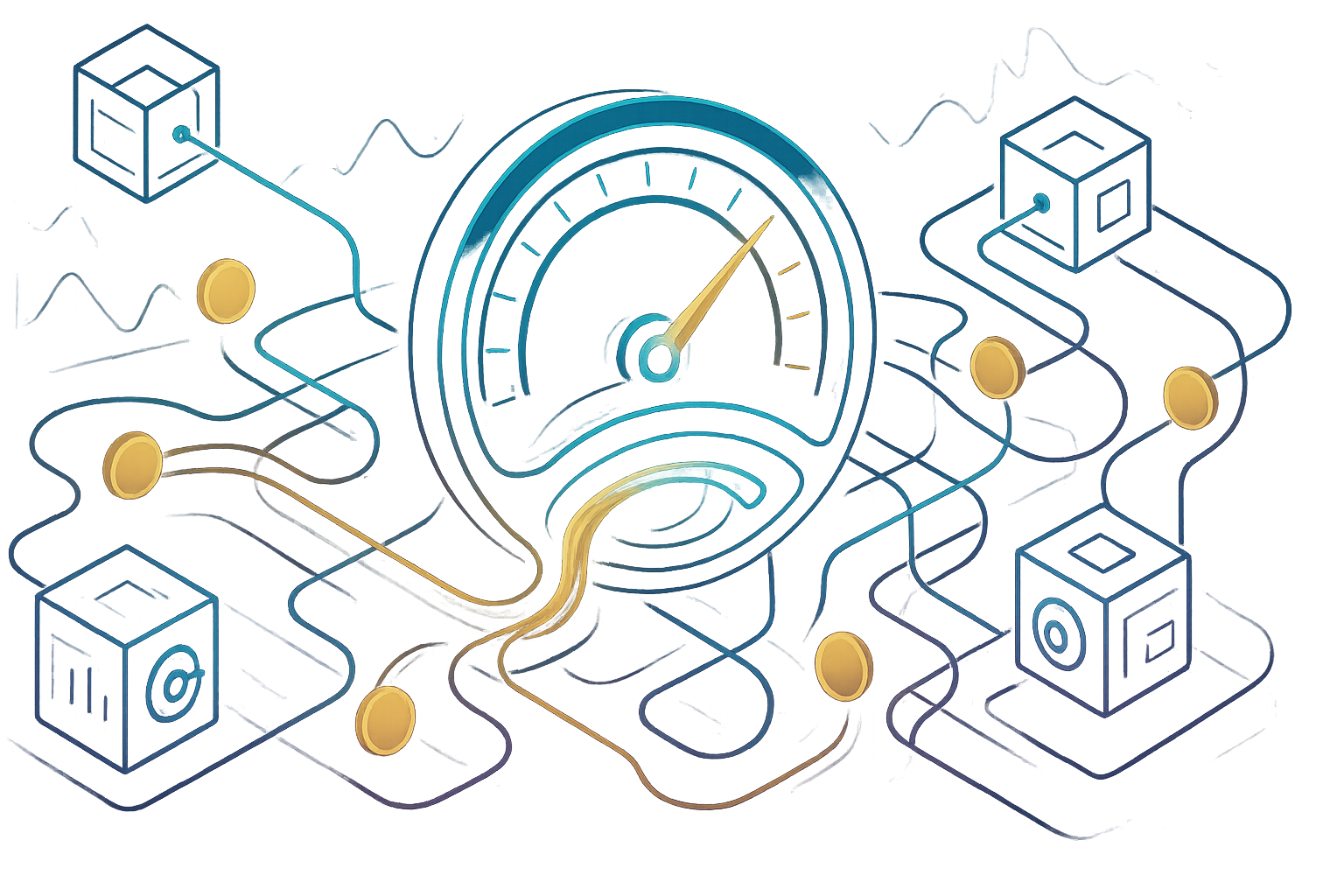
defi afr gauge confusion is common—especially when you’re trying to tune safely, diagnose drivability issues, or simply confirm your engine is running where it should. An air-fuel ratio gauge seems simple: it shows numbers. But accuracy depends on the sensor type, where it’s installed, how it’s wired, and how you interpret what you’re seeing under load. If your readings look “wrong,” flicker, or don’t match your tune, the problem usually isn’t the gauge itself—it’s setup, calibration, or expectations. This guide breaks down how a defi afr gauge works, what it can and can’t tell you, and the practical steps to make it a reliable tool rather than dashboard decoration.
Why your readings look wrong on a defi afr gauge
Common symptoms and what they usually mean
A defi afr gauge that bounces rapidly, sits stuck at one value, or disagrees with your tuner’s wideband log can be frustrating. Most “bad” readings come from one of these root causes:
- Sensor not up to temperature: Wideband sensors need heat to read correctly. Cold start values can be misleading.
- Exhaust leaks: Leaks upstream of the sensor pull in fresh air and make the defi afr gauge read artificially lean.
- Wrong sensor placement: Too close to the turbo or too far downstream can affect response and longevity.
- Grounding or electrical noise: Poor grounds create offset errors or jitter.
- Fuel type mismatch: Gasoline AFR targets differ from E85; some systems show lambda, others show AFR.
If your defi afr gauge looks “lean” during decel, that can be normal. Many ECUs cut fuel on overrun, and the gauge will show very lean numbers.
Choosing the right defi afr gauge setup for your build
Wideband vs narrowband and why it matters
Not every “AFR gauge” is a true wideband. A narrowband-style display is mostly a rich/lean indicator near stoichiometric and is not suitable for tuning under boost. A proper defi afr gauge setup is typically paired with a wideband sensor and controller so you can see meaningful changes during load.
If you’re tuning, you want repeatable, fast response and compatibility with logging. If you’re monitoring, you want clarity, alarms, and stable readings. The best defi afr gauge choice depends on your goal.
Feature checklist before you buy or install
Use this checklist to avoid ending up with a defi afr gauge that looks great but doesn’t help you make decisions:
- Sensor type and availability: Confirm it uses a common wideband sensor you can replace easily.
- Controller quality: The controller matters as much as the gauge face.
- Analog output: Useful for ECU input or datalogging alongside other sensors.
- Warning functions: Visual or audible alerts for lean conditions.
- Display behavior: Peak hold, smoothing, and readability in sunlight.
Installation details that make or break a defi afr gauge
Best sensor placement for accurate AFR
Placement is one of the biggest reasons a defi afr gauge reads oddly. A good rule is to install the bung in a location with stable exhaust flow and minimal reversion. For most setups, that means downstream of the collector and upstream of any major leaks, with enough distance from the turbine outlet to reduce excessive heat.
Also angle the sensor so condensation doesn’t pool on the tip. A slight upward tilt is commonly recommended to protect the element.
Wiring, grounding, and avoiding noise
A defi afr gauge is sensitive to electrical quality. Ground the controller and gauge properly—ideally to a clean chassis point or the same ground reference used by the ECU sensors. Avoid sharing grounds with high-current devices like fuel pumps or ignition components.
Route signal wires away from coils, alternator wiring, and high-power relays. If your defi afr gauge flickers when you turn on headlights or fans, suspect grounding and voltage drop.
How to interpret numbers on a defi afr gauge in real driving
Typical AFR and lambda targets by condition
Interpreting a defi afr gauge depends on engine type, fuel, and tune strategy. Still, you can use these patterns to sanity-check what you see:
- Idle: Often near stoichiometric for gasoline (around 14.7 AFR), but can vary with cams and closed-loop behavior.
- Light cruise: Usually near stoichiometric; some modern strategies run slightly lean under specific conditions.
- Decel: Very lean readings are common due to fuel cut.
- Wide open throttle: Typically richer than stoich for knock protection and power, especially on boosted engines.
If you’re running ethanol blends, consider thinking in lambda instead of AFR. Lambda makes a defi afr gauge easier to interpret across fuels because 1.00 lambda is stoich regardless of fuel type.
What “dangerous lean” looks like and when to lift
A defi afr gauge is a safety tool when used correctly. If you see the mixture suddenly go lean under boost compared to your normal baseline, that’s a red flag. Don’t rely on a single glance—look for patterns: lean spikes during gear changes, lean drift at high RPM, or lean conditions that correlate with higher boost.
When in doubt, lift and investigate. A clogged fuel filter, failing pump, injector issue, or boost leak can show up first on the defi afr gauge before you hear knock or feel misfire.
Comparing key features to pick the best defi afr gauge workflow
Quick comparison table for practical decision-making
Different setups prioritize different outcomes—monitoring, tuning, or logging. Here’s a simplified feature summary to help you decide how to use your defi afr gauge effectively.
| Use Case | Must-have Features | Nice-to-have Features | Common Pitfalls |
|---|---|---|---|
| Daily monitoring | Stable display, clear units, warning/alert | Peak hold, display dimming, smoothing | Ignoring exhaust leaks, poor sensor placement |
| Street performance | Fast response, reliable sensor heating | Gauge + controller integration, quality wiring kit | Electrical noise causing jitter and offset |
| Track and tuning | Analog output for logging, repeatability | Lambda mode, configurable alarms | Comparing to ECU targets without matching units |
Even the best defi afr gauge won’t help if you can’t correlate readings with RPM, boost, and throttle. If you’re serious about tuning, pair the defi afr gauge with datalogging so you can review events rather than guessing in real time.
Troubleshooting a defi afr gauge that still doesn’t make sense
Step-by-step checks you can do in an hour
If your defi afr gauge continues to read strangely, run through this quick checklist:
- Inspect for exhaust leaks near the header, collector, and sensor bung.
- Confirm sensor orientation and that the bung isn’t in a spot that collects condensation.
- Verify power and ground with a multimeter under load (fans on, lights on).
- Check connector condition for corrosion, bent pins, or loose locking tabs.
- Warm the car fully and observe idle and light cruise behavior again.
Many issues blamed on a defi afr gauge are actually sensor-related. Wideband sensors are wear items, and leaded fuel, silicone contamination, or excessive heat can shorten their life.
When calibration and sensor replacement are the right move
Some systems support free-air calibration or require specific calibration procedures. Follow the manufacturer’s instructions exactly—skipping calibration can create a consistent offset that makes the defi afr gauge read lean or rich everywhere.
If the sensor is old, slow to respond, or has been exposed to contamination, replacement is often the fastest fix. After installing a new sensor, re-check for leaks and confirm stable voltage supply to the controller.
Conclusion
A defi afr gauge becomes genuinely valuable when you treat it like an instrument, not a decoration: install the sensor correctly, eliminate exhaust leaks, wire it cleanly, and interpret the numbers in context of load and fuel type. Once your defi afr gauge is stable and trustworthy, you’ll spot fueling problems earlier, drive with more confidence, and make smarter tuning decisions. Pick one improvement from this guide—sensor placement, grounding, or logging—and apply it today so your next drive is safer, faster, and more predictable.






Comment