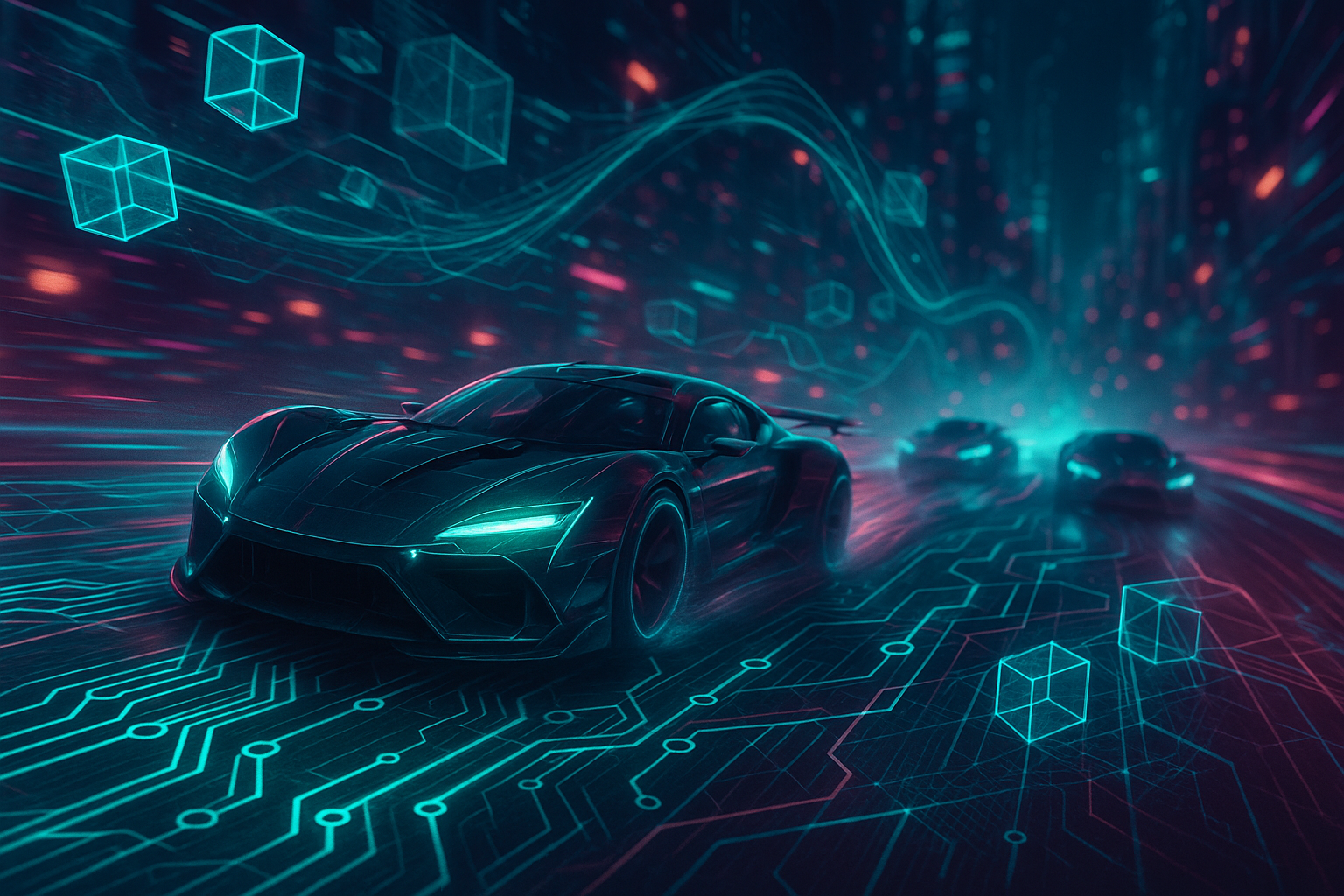
Blockchain racing game titles blend high-speed competition with true digital ownership, giving players a new way to race, upgrade, and potentially earn. Instead of unlocking items that stay trapped in one account, you can hold cars, skins, and parts as tokens that may be traded or sold. That changes how progression feels: your garage can become a portfolio, and your time on the track can translate into assets. Still, not every project is built the same. This guide explains how a blockchain racing game works, how to start playing, ways to earn responsibly, and the safety checks that help you avoid scams and costly mistakes.
What makes a blockchain racing game different
Ownership, scarcity, and on-chain proof
A blockchain racing game typically uses tokens to represent in-game property. Cars, drivers, tires, and cosmetics may be NFTs, while an in-game currency may be a fungible token. The core difference is verifiable ownership: you can often move assets to your own wallet and trade them on marketplaces.
Scarcity is also more transparent. When a blockchain racing game claims “only 5,000 legendary cars,” you can often verify supply on a block explorer. That can support player-driven markets, but it also attracts speculation.
Gameplay loops tied to assets
Many blockchain racing game designs connect performance to asset stats. Better parts can improve speed, handling, or durability. Some games also add wear-and-tear mechanics that require repairs, replacements, or “energy” systems to limit grinding.
As a result, strategy isn’t only about driving skill. It can include choosing the right car class, tuning parts, and balancing costs against potential rewards.
How to start playing a blockchain racing game
Wallet setup and network choice
To play a blockchain racing game, you usually need a crypto wallet (browser extension or mobile). Some games run on Ethereum, while others use lower-fee networks like Polygon, BNB Chain, Avalanche, Solana, or an L2. The network matters because transaction fees and confirmation speed affect your experience.
Create a new wallet, back up the seed phrase offline, and enable extra security like a device passcode and phishing protection. If the game supports email login with embedded wallets, you still need to understand custody and recovery options.
Getting your first car and entry requirements
Entry varies by blockchain racing game. Some are free-to-play with optional NFTs, while others require purchasing a starter car NFT. Before buying anything, check whether the game has rental systems, scholarships, or free trial modes.
Also review minimum specs: some games are lightweight browser titles, while others are PC clients with higher GPU demands. If possible, test the gameplay first, then decide what assets you actually need.
First races and progression basics
Start with low-stakes modes to learn tracks and physics. Many blockchain racing game ecosystems offer daily quests, training races, or AI leagues. Use these to understand how rewards are calculated and what costs apply (fuel, durability, repair fees).
Track your net results per session. A common beginner mistake is focusing on gross rewards while ignoring fees and depreciation of assets.
Core gameplay modes you will see
PvP matchmaking and ranked ladders
Competitive matchmaking is a staple in a blockchain racing game because it creates repeatable demand for upgrades. Ranked ladders often provide seasonal rewards, but the top tiers may require both skill and optimized builds.
Look for fair matchmaking rules: car class brackets, performance caps, or skill-based rating. Without these, “pay-to-win” dynamics can dominate.
Tournaments, time trials, and live events
Time trials are common because they’re easy to verify and fun to grind. Tournaments may have entry fees and prize pools, sometimes funded by sponsors or a portion of marketplace fees.
Before paying an entry fee in any blockchain racing game, confirm the rules, payout structure, and whether prizes are paid in volatile tokens or stablecoins.
Garage management and tuning
Most blockchain racing game titles add a management layer: tuning parts, swapping tires, crafting upgrades, or merging items. This can be engaging, but it can also be a sink for tokens.
Set a budget for upgrades and test changes one at a time. If the game provides telemetry, use it to decide whether an upgrade genuinely improves lap times.
How earning works in a blockchain racing game
Play to earn rewards and what affects payouts
Earning in a blockchain racing game can include match rewards, quest payouts, seasonal prizes, or staking bonuses. Payouts are typically influenced by rank, win rate, car rarity, energy limits, and sometimes “soft” skill ratings.
Be realistic: token emissions often change over time. Early high rewards can decline as more players join or as the economy rebalances.
Trading NFTs and marketplace strategies
Many players earn through trading rather than racing. In a blockchain racing game marketplace, profits depend on buying undervalued assets, anticipating meta shifts, and timing events like new track releases or balance patches.
Use recent sales data, not just listings. Check floor prices, volume, and how frequently similar cars sell. Avoid thin markets where you may not be able to exit a position.
Renting, lending, and guild models
Some blockchain racing game communities offer rentals so newcomers can race without upfront costs. Owners may earn a share of rewards, while renters contribute time and skill.
If you join a guild, read contracts carefully. Confirm how revenue splits work, who pays repair costs, and what happens if the game changes reward rules.
Comparing blockchain racing game features
Quick checklist table for choosing a game
Use the table below to compare any blockchain racing game you’re considering. A strong project doesn’t need perfect scores, but it should be transparent and playable even when token prices fluctuate.
| Feature | Why it matters | What to look for |
|---|---|---|
| Free-to-play access | Reduces risk and improves onboarding | Trial races, rentals, or starter cars with low cost |
| Network fees | High fees can erase earnings | L2 or low-fee chain, batching, or gasless transactions |
| Economy design | Determines sustainability of rewards | Clear sinks, capped emissions, transparent treasury |
| Gameplay depth | Keeps players engaged beyond speculation | Skill expression, tuning, varied modes, fair matchmaking |
| Security and audits | Protects assets and reduces exploit risk | Audited contracts, bug bounties, reputable partners |
| Marketplace liquidity | Impacts your ability to buy and sell | Consistent volume, multiple marketplaces, clear royalties |
Staying safe while playing
Common scams targeting blockchain racing game players
Scammers follow hype. In a blockchain racing game community, common traps include fake mint links, impersonated moderators, “support” DMs asking for your seed phrase, and malicious wallet approvals.
Never share your seed phrase. Avoid clicking links from DMs. Bookmark official sites, and verify contract addresses from multiple trusted sources (official website, verified social accounts, and reputable explorers).
Wallet hygiene and approval management
Use a separate wallet for gaming, keeping long-term holdings elsewhere. Consider a hardware wallet for valuable NFTs. Review token approvals regularly and revoke unnecessary permissions, especially after using third-party marketplaces.
Before signing any transaction in a blockchain racing game, read what it’s asking: spending limits, contract address, and whether it’s an approval or an actual transfer.
Project risk checks before you invest
If you plan to spend money on a blockchain racing game, do a quick due diligence pass. Check whether the team is public, whether smart contracts are audited, and whether the game is actually playable today.
Look for transparent tokenomics: how rewards are funded, what sinks exist, and whether the treasury can be drained. If returns are promised or “guaranteed,” treat it as a major red flag.
Conclusion
A blockchain racing game can be a genuinely fun blend of competitive driving and digital ownership, but the best experience comes from balancing gameplay first and earnings second. Start small, test the racing feel, understand fees and reward mechanics, and use strong wallet security habits. Compare projects with a clear checklist, avoid hype-driven purchases, and protect your approvals and seed phrase at all costs. Choose a blockchain racing game that you enjoy playing, then take your first lap today and build your garage with confidence.



Comment