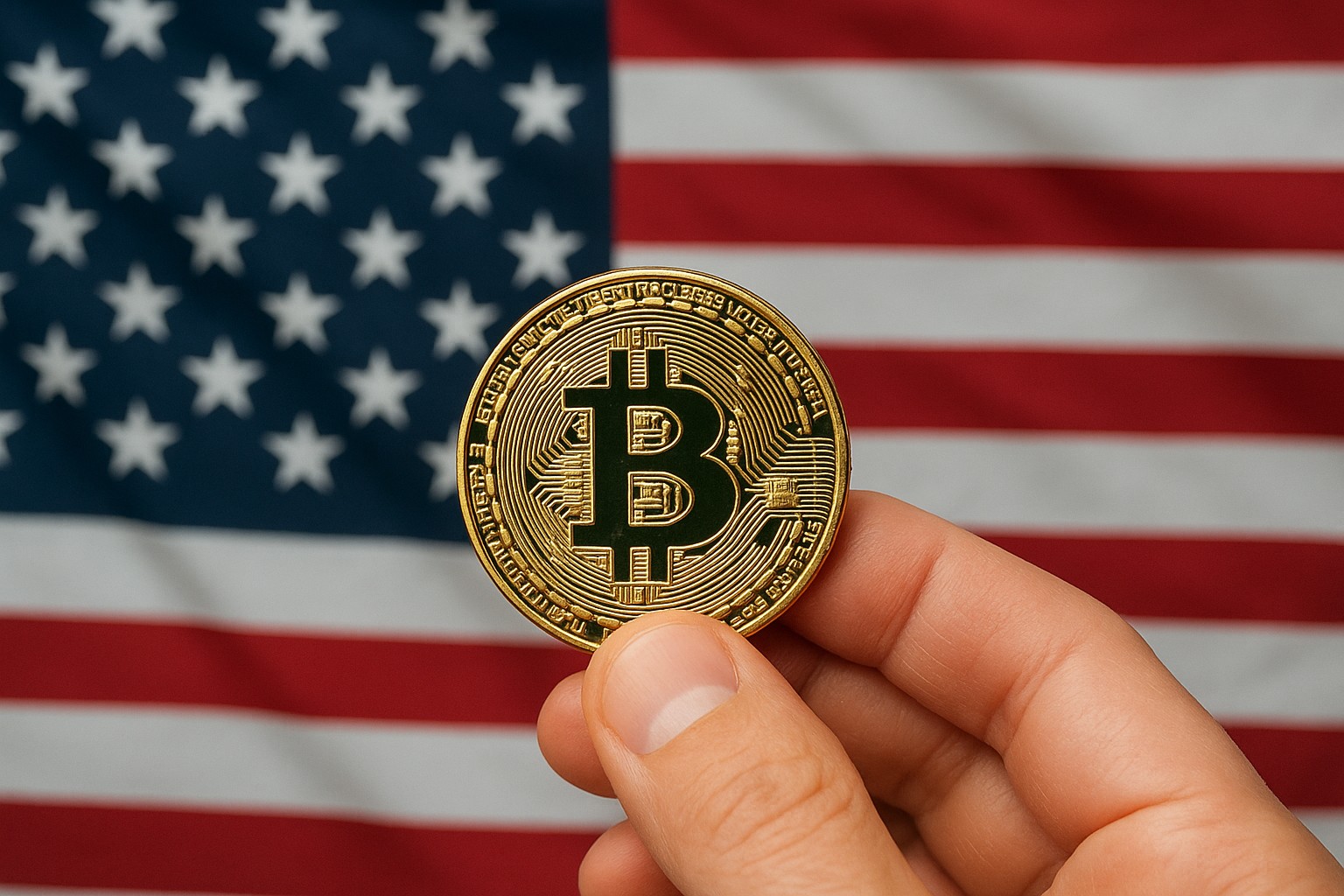
What 2026 could mean for US crypto adoption is less about a single price breakout and more about infrastructure, policy, and habits quietly becoming “normal.” If you watch the overlooked investment cues—where money, builders, and compliance teams are moving—you can often spot adoption before it becomes a headline.
The big picture: why 2026 may look different for US crypto adoption
US crypto adoption tends to surge when three things align: convenient access, institutional comfort, and clearer rules of the road. 2026 sits at an interesting crossroads because several multi-year trends are maturing at the same time—payments, tokenization, and enterprise blockchain tooling—while regulators and courts continue to define boundaries.
In practical terms, the next wave of adoption may feel less like new coins going viral and more like crypto features disappearing into familiar products: brokerage apps, payroll tools, merchant checkout, and bank-like custody. That “boring” integration is often the most investable shift because it can be durable, recurring, and less dependent on retail hype cycles.
My personal take: the market often overreacts to short-term catalysts, but it underreacts to slow-moving compliance and distribution changes. In the US, distribution is destiny; whoever gets integrated into trusted rails wins share over years, not weeks.
Institutional Strategy Is Quietly Expanding—and it matters more than narratives
Institutional strategy isn’t just about big funds buying spot exposure; it’s about operational readiness. Custody, auditability, risk controls, and trade settlement are the plumbing that lets pensions, RIAs, banks, and corporates participate without improvising. As those capabilities standardize, the addressable pool of capital broadens, and that can change volatility, liquidity, and which projects survive.
Look for institutions to broaden their crypto involvement in “unsexy” ways: building prime brokerage-like stacks, offering compliant staking where allowed, expanding collateral options, and supporting tokenized money market funds or treasury-like instruments. These initiatives can increase on-chain activity without requiring retail mania—and they can turn crypto into a workflow, not a bet.
There’s also a second-order effect: institutional participation pressures the industry to professionalize disclosure, security practices, and governance. That can reward assets and platforms that are easier to diligence, even if they’re not the loudest on social media.
Regulation May Shape The Next Phase: what clarity could unlock (and what it won’t)
Regulation may shape the next phase by clarifying which agencies oversee what, how platforms register, and what consumer protections are required. Even partial clarity can be powerful: it helps compliant firms budget, hire, and build with fewer existential surprises. For US crypto adoption, that’s not just good news—it’s a gating factor for mainstream distribution channels.
However, “clarity” rarely means “easy.” Expect more reporting, more licensing, tighter marketing rules, and stricter controls around custody and conflicts of interest. Some products may be constrained (or redesigned) to fit frameworks. The upside is that friction can also create moats for companies that invest early in compliance and robust operations.
If you’re investing, treat regulation like a map, not a vibe. The overlooked cue isn’t a single bill passing; it’s whether companies are successfully obtaining licenses, maintaining banking relationships, and keeping products live across multiple states without constant interruption.
Blockchain Innovation Is Driving Long-Term Growth beyond the usual hype
Blockchain innovation is driving long-term growth when it reduces real-world friction: cheaper settlement, better security, improved user experience, and easier developer tooling. By 2026, the winners may not be the chains with the flashiest launches, but the ecosystems that consistently ship upgrades, attract serious developers, and integrate with existing finance and identity standards.
A few innovation themes that could matter for US crypto adoption include scalability improvements (lower fees, higher throughput), better wallet UX (passkeys, smart accounts, safer recovery), and more credible privacy tooling that can coexist with compliance. These sound technical, but they translate into a simple user outcome: fewer mistakes, fewer scary prompts, and fewer reasons to quit after the first transaction.
Also watch tokenization that isn’t purely speculative—things like on-chain treasuries, invoices, carbon accounting, supply-chain attestations, and loyalty systems. Not all of it will be investable directly, but it can expand demand for infrastructure tokens, blockspace, and data services that make those applications work.
Investor Attention Is Slowly Shifting: from price charts to adoption signals
Investor attention is slowly shifting because the market has lived through enough cycles to recognize a pattern: narratives rotate fast, but distribution and cash-flow-like utility compound. By 2026, more investors may focus on usage metrics, fee generation, developer activity, and partnerships that bring non-crypto users on-chain—especially in the US, where trust and compliance strongly influence consumer behavior.
This doesn’t mean speculation disappears. It means the “why” behind allocations becomes more nuanced: portfolio hedges, venture-style bets on infrastructure, yield strategies with defined risks, or exposure to tokenized real-world assets. That mindset shift tends to reward investors who can read second-order signals—like whether an exchange is improving onboarding, whether a wallet is reducing abandonment, or whether an L2 is becoming the default for certain apps.
In my experience, the best signals rarely come from a single KPI. They come from consistency: steady growth in active users, repeated integrations, and a pattern of teams executing without constantly changing direction.
The overlooked investment cues: how to spot adoption before it’s obvious
The signal many investors may overlook is that US crypto adoption often shows up first in operational behavior—what businesses build, what compliance teams approve, and what rails get integrated—long before it appears in retail sentiment. If you’re trying to position for 2026, you can watch for cues that imply future demand rather than current hype.
A practical checklist to track (without overcomplicating it)
- Distribution wins
- Wallets or exchanges integrated into major fintech apps, payroll providers, or merchant platforms
- Partnerships that reduce onboarding steps (KYC reuse, bank linking, instant funding)
- Compliance and resilience
- Clear licensing progress, fewer service interruptions, stronger proof-of-reserves or attestations
- Stable banking and payment relationships that survive market stress
- On-chain fundamentals
- Sustainable fee/revenue patterns (not just temporary spikes)
- Growth in stablecoin settlement and real usage like remittances or B2B payments
- Developer and ecosystem health
- Tooling adoption, SDK usage, hackathon-to-production conversion
- Security posture improvements: audits, bug bounties, incident response maturity
- Market structure indicators
- Better liquidity on regulated venues, tighter spreads, healthier derivatives basis
- Broader custody options and insured/segregated account structures
Use this list like a dashboard. You don’t need every item to be green, but you do want to see multiple categories improving at the same time. That convergence is often what turns crypto from an “asset class” into an embedded financial capability.
Conclusion: positioning for 2026 without guessing the next headline
What 2026 could mean for US crypto adoption is a shift from experimental participation to embedded usage—crypto as a feature, not a spectacle. The overlooked investment cues are rarely viral; they’re visible in institutional strategy quietly expanding, regulation shaping the next phase, and blockchain innovation driving long-term growth that makes products easier and safer for ordinary users.
If you want a grounded approach, focus less on predicting which coin will trend and more on which ecosystems are winning distribution, meeting compliance expectations, and sustaining real activity. In the US especially, adoption tends to follow trust—and trust is built in the plumbing long before it’s celebrated on social media.