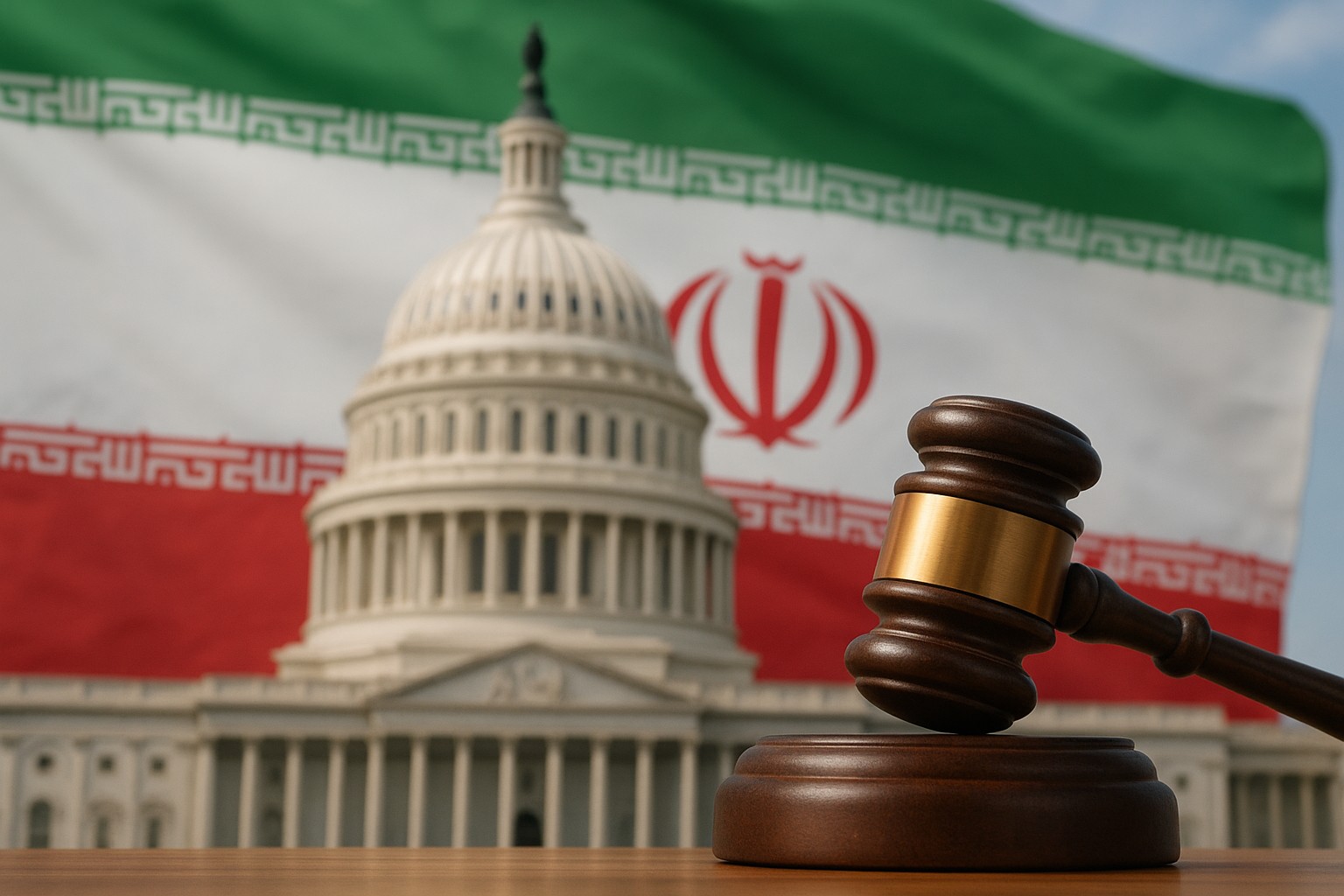
Capitol Hill seeks probe of Polymarket following pre Trump Iran ceasefire betting activity. A cluster of near-instant, highly specific wagers placed shortly before a public geopolitical update has reignited a familiar question: are prediction markets pricing public information—or monetizing privileged access?
What Happened: The Betting Spike That Put Polymarket on Capitol Hill’s Radar
Reports of unusually well-timed trades on Polymarket—focused on a US–Iran ceasefire outcome and placed shortly before former President Donald Trump posted about the development—sparked immediate suspicion among policymakers. The controversy centers on a burst of accounts that appeared to be newly created, made concentrated bets on a single event, and then went largely quiet afterward—behavior that many observers associate with opportunistic, one-off profit seeking rather than ordinary market participation.
Even without alleging wrongdoing, this pattern creates a reputational problem. Prediction markets are supposed to aggregate beliefs from diverse participants over time. When activity looks like a coordinated sprint—especially around national-security-adjacent outcomes—it invites an uncomfortable inference: someone may have been acting on information that the general public did not have.
From a practical standpoint, the most important detail is timing. Markets can move fast when news breaks, but “minutes before” is the zone where coincidences become hard to accept—particularly if many accounts behave similarly. That’s why the situation quickly migrated from crypto chatter to Capitol Hill interest in oversight and enforcement.
Why Congress Cares: Insider Trading Concerns Meet National Security
The core concern isn’t simply that traders guessed correctly. It’s that prediction markets can become a vehicle for people close to sensitive information to profit while leaving few traditional footprints. In conventional finance, insider trading frameworks exist (however imperfectly) and intermediaries often enforce surveillance. In crypto-native, wallet-based markets—especially those that serve global users—the accountability chain is thinner.
Members of Congress have signaled that these markets may pose risks beyond consumer protection, including incentives to leak sensitive information, distort public perception, or even encourage manipulation. When the underlying event involves diplomacy, military action, or international crises, the political stakes rise sharply. Even the perception that “someone knew” can undermine trust in institutions and fuel conspiracy narratives.
There’s also a policy reality here: lawmakers are not starting from zero. Prediction markets have been debated for years, but recent growth—combined with the ease of spinning up new wallets—has made “integrity of the market” a harder sell. If regulators believe the product design enables abuse, pressure builds for investigations, rulemaking, or outright bans on certain contract types.
A Pattern Polymarket Cannot Escape: Repeated Flags, Same Behavioral Signature
The phrase many critics keep returning to is that this is not an isolated incident. A Pattern Polymarket Cannot Escape has emerged in public commentary: clusters of accounts, narrow event focus, sharp timing, and limited subsequent trading. Whether those clusters reflect insiders, sophisticated speculators, or coordinated groups reacting to signals elsewhere, the optics remain the same.
A key reason the pattern matters is that it suggests a systemic vulnerability rather than a one-off anomaly. If a market’s most attention-grabbing moments repeatedly coincide with suspiciously timed trades, policymakers may argue that the platform’s incentives and safeguards are misaligned. That can translate into calls for stronger onboarding controls, trade monitoring, or restrictions on what kinds of events can be listed.
From the perspective of market design, the difficult question is how to preserve the wisdom-of-crowds benefit while deterring “hit-and-run” accounts that appear only when the information advantage is largest. In practice, markets that rely on pseudonymous wallets must do more than say they are open and neutral; they must show they can detect and deter abuse without collapsing privacy or accessibility.
Regulatory and Legal Exposure: How a Probe Could Unfold
Regulatory and Legal Exposure for prediction markets can come from multiple angles: commodities regulation, anti-fraud rules, sanctions compliance, and even state-level gambling concerns—depending on how contracts are structured and who can access them. In the US context, lawmakers often push agencies to clarify whether certain prediction products resemble swaps, event contracts, or something else entirely, because classification drives enforcement options.
A congressional request for a probe typically aims to do at least three things: establish jurisdiction, demand data preservation, and force a public record of what the platform knew and when. Even if the platform operates offshore or limits formal US access, political attention can still have consequences—banking relationships, fiat on-ramps, app distribution, or counterparties may become cautious when enforcement risk rises.
In my view, the underappreciated risk is not only fines or forced shutdowns; it’s the uncertainty that follows. If market participants fear that certain contracts could be retroactively challenged, liquidity dries up, spreads widen, and the market becomes more manipulable—ironically increasing the very integrity problems regulators worry about.
What Regulators Typically Ask For in These Cases
- Account and wallet linkage analysis: whether the “new accounts” are funded from common sources or interact with shared addresses
- Trade surveillance logs: timestamps, order sizes, and patterns consistent with coordination
- Geo and access controls: how the platform restricts or allows participation from sensitive jurisdictions
- Market integrity policies: internal rules for suspicious activity, escalation, and reporting
- Information handling: whether any employees, contractors, or partners could have had early visibility into relevant events or listings
How Polymarket (and Users) Can Respond: Practical Steps That Improve Integrity
If the goal is to keep prediction markets viable, the response has to be more substantive than a generic statement about openness. Platforms can improve integrity while respecting the crypto ethos, but it requires intentional design. For example, requiring longer-lived participation signals—without full KYC for every user—can reduce the appeal of disposable wallets. Think of it as making it slightly more costly to appear, strike, and vanish.
On the user side, the best practice is skepticism and risk management. Treat sudden, pre-news spikes as a volatility warning. If you’re providing liquidity or trading size, you should assume that some participants might have better information, faster distribution channels, or access to private networks that you do not. That isn’t paranoia; it’s just how markets behave when the underlying “asset” is a real-world event rather than a corporate cash flow.
A constructive path forward could include a transparent integrity dashboard: flagged-wallet counts, concentration metrics, and post-event analyses shared publicly. Not every detail can be disclosed without enabling evasion, but a consistent transparency program can help rebuild trust and show lawmakers that the market is not indifferent to abuse.
Conclusion: Prediction Markets Are Growing Up—and the Scrutiny Is, Too
Capitol Hill’s interest in probing Polymarket after the pre Trump Iran ceasefire betting activity reflects a broader shift: prediction markets are no longer a niche curiosity. When money, geopolitics, and viral social posts collide, the tolerance for “it’s just traders being traders” shrinks quickly.
Whether or not any specific trader broke a law, the episode highlights a design challenge that won’t go away. If platforms want legitimacy, they need demonstrable market integrity tools and clearer rules for sensitive event contracts. If regulators want balanced outcomes, they should focus on enforceable standards—surveillance, disclosures, and contract restrictions where appropriate—rather than blanket reactions that push activity into darker corners of the internet.