Iran detains vessels near the Strait of Hormuz while Trump pushes to prolong the truce. The juxtaposition of maritime enforcement and diplomatic messaging is rattling energy traders, insurers, and risk-asset investors who are trying to price what happens next in the world’s most sensitive shipping chokepoint.
What Happened: Detentions Near the Strait of Hormuz and a Truce Under Pressure
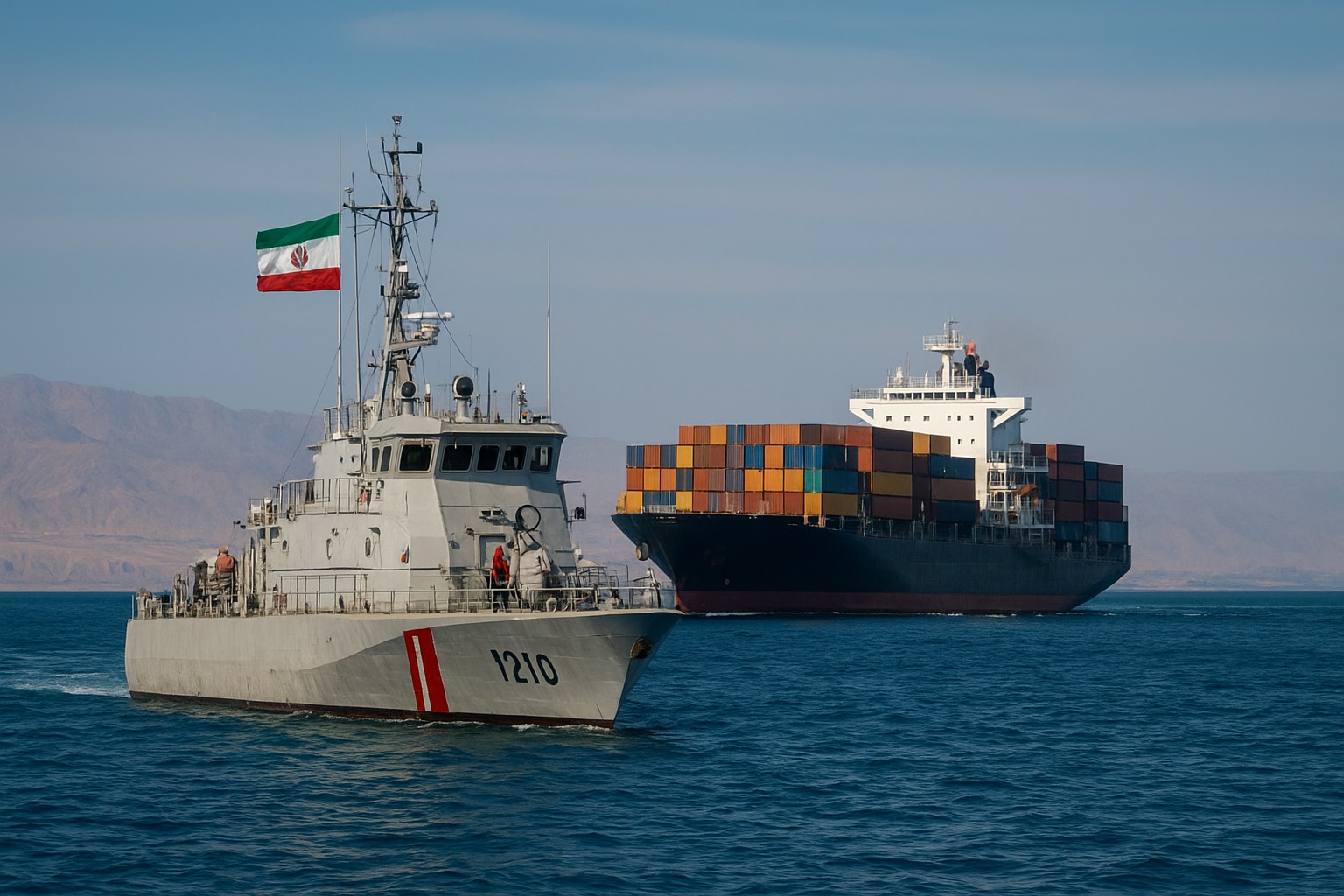
Reports of Iranian forces detaining commercial vessels near the Strait of Hormuz landed at an awkward moment: Washington is signaling that the current truce should be extended, yet the region is still operating under heightened military alert. In practical terms, even a limited interdiction can disrupt sailing schedules, raise freight costs, and trigger a defensive response from navies tasked with protecting commercial traffic.
The Strait of Hormuz is not just a headline generator; it is a logistics bottleneck. A meaningful share of globally traded crude and liquefied natural gas transits the corridor, so any perceived threat rapidly feeds into oil benchmarks, shipping rates, and refinery margins. That spillover matters beyond energy: it can shift inflation expectations and risk appetite across equities, FX, and crypto.
What makes this episode especially destabilizing is the ambiguity. Detentions can be framed as routine maritime enforcement, retaliation, or signaling ahead of negotiations. Markets dislike uncertainty more than they dislike bad news, and the lack of clear red lines—what triggers a detention, what ends one, and what third parties will do—keeps volatility elevated.
Iran Strait of Hormuz Seizures Shake the Fragile Ceasefire
Even if leaders use the word truce, actions at sea can create a different reality. When vessels are stopped, inspected, redirected, or temporarily held, shipping companies must treat the zone as higher-risk. That often leads to immediate operational changes: rerouting, slowing down to await convoy guidance, or delaying departures to reduce exposure during peak-threat hours.
A fragile ceasefire is particularly vulnerable to incidents that are “below the threshold” of open conflict. Detentions and harassment claims can be denied, reinterpreted, or answered asymmetrically—meaning each side can insist it is complying while still escalating in practice. This is how maritime theaters become pressure valves for broader geopolitical disputes.
From a reader’s perspective, the key takeaway is that ceasefires don’t automatically normalize trade flows. Normalization requires predictable enforcement, credible communication channels, and deconfliction mechanisms at sea. Without those, insurers and charterers price the route as risky even if diplomats say talks are continuing.
Trump Extends the Ceasefire But Keeps the Blockade: The Policy Knot Markets Can’t Ignore
Washington’s posture—pushing to prolong the truce while keeping coercive levers in place—creates a policy knot that markets struggle to untangle. Extending a truce can lower tail-risk probabilities, but maintaining hard pressure (such as restrictions, interdiction posture, or a de facto blockade framework) keeps incentives for maritime brinkmanship alive.
Why this mixed signal matters for shipping and compliance
For commercial operators, mixed policy signals translate into cost and paperwork, not theory:
- Charter-party clauses tighten: war-risk clauses, deviation rights, and cancellation terms become more restrictive.
- Insurance premiums climb: hull & machinery, P&I, and war-risk add-ons can spike on short notice.
- Compliance burden increases: operators double-check beneficial ownership, port calls, AIS practices, and sanctions exposure.
- Naval presence shapes routing: convoys, reporting requirements, and recommended transit windows affect schedules and fuel burn.
Diplomatically, pressure tools are often kept in place to extract concessions, but maritime incidents can harden domestic politics on all sides. If leaderships need to appear strong, the sea becomes a stage—especially when actions can be calibrated (detain, release, warn, shadow) without a formal declaration.
My personal read: in this kind of standoff, even “good news” about extending a truce can be interpreted as “the standoff will last longer.” That’s not necessarily bearish for every market, but it is almost always bullish for volatility.
Global Oil Prices and Energy Markets: Why Hormuz Still Sets the Tempo
Energy traders treat the Strait of Hormuz as a barometer for disruption risk. When detentions occur, the market quickly prices in a higher probability of delays or reduced throughput, even if actual physical supply hasn’t dropped yet. That’s why you often see prompt prices react first, followed by freight and refined products.
Higher crude prices matter because they filter into transportation, manufacturing inputs, and consumer inflation prints. If oil stays elevated for long enough, central banks can become more cautious about rate cuts—even if growth is slowing. That macro feedback loop then spills into everything from emerging-market currencies to tech valuations.
For businesses and households, the practical impact shows up in second-order effects: higher jet fuel costs, more expensive shipping, and sometimes higher prices for imported goods. The Strait is a narrow passage, but the transmission mechanism is wide.
To monitor whether this is a short-lived spike or a sustained regime shift, watch three things: (1) duration and frequency of maritime incidents, (2) insurer and classification-society guidance updates, and (3) whether major buyers begin adjusting procurement (drawing down inventories, diversifying grades, or delaying spot purchases).
What the Hormuz Crisis Means for Bitcoin and Crypto Markets
Crypto traders often debate whether Bitcoin behaves like digital gold or a risk asset. Hormuz-style shocks tend to test that question in real time. When energy prices rise and inflation expectations firm up, liquidity conditions can tighten—especially if markets push out expectations for interest-rate cuts. In that environment, high-beta assets (including many crypto tokens) frequently see faster drawdowns than traditional defensives.
At the same time, it’s not as simple as crypto down, oil up. Geopolitical shocks can increase demand for portable, censorship-resistant assets in certain regions, and stablecoin volumes can rise as individuals and businesses look for faster settlement rails. The direction depends on which force dominates: global macro tightening versus localized demand for alternative finance.
What’s genuinely useful for investors is building a small “Hormuz dashboard” rather than reacting to every headline. Track oil benchmarks, the USD, real yields, and crypto funding rates together. If crude rallies while real yields rise, that’s typically a tougher backdrop for speculative crypto. If crude spikes but real yields fall because growth fears dominate, crypto’s reaction can be more nuanced.
Finally, risk management matters more than predictions here. Use position sizing, avoid excessive leverage during headline-driven periods, and respect that weekend liquidity in crypto can magnify moves when geopolitical news breaks outside market hours.
Practical Guidance: How Businesses, Shippers, and Investors Can Reduce Exposure
For shipping and logistics managers, the immediate goal is continuity planning rather than perfect forecasting. Start by mapping which SKUs, customers, or production lines are most sensitive to delays from Gulf routes. Then set trigger points for action—because waiting for certainty usually means paying peak prices.
For energy-intensive businesses, consider how to bridge short-term volatility: hedging policies, inventory buffers, and supplier diversification. Even if you don’t hedge directly, you can negotiate contracts with price adjustment mechanisms that reduce shock transmission. The same logic applies to airlines, manufacturers, and any firm with meaningful exposure to freight rates.
For individual investors, the “practical” approach is boring but effective: avoid concentration in assets that are highly sensitive to macro liquidity, keep a cash buffer, and define the conditions under which you rebalance rather than panic-sell. Geopolitical risk is one of the few catalysts that can gap markets beyond typical technical levels.
A final operational note: treat misinformation as part of the risk. Maritime events can be reported inconsistently, and social media narratives can front-run confirmed details. If your decisions are time-sensitive, prioritize primary signals such as official maritime advisories, insurer bulletins, and verified port/traffic data.
Conclusion: A Truce Can Hold on Paper While the Sea Stays Unstable
Iran detaining vessels near the Strait of Hormuz while Trump pushes to prolong the truce captures the core tension of this moment: diplomacy may be extending timelines, but maritime reality is still shaped by coercion, signaling, and uncertainty. Until the enforcement environment becomes predictable, markets will keep pricing a disruption premium.
In the near term, the most rational stance is preparedness. Watch incident frequency, policy follow-through, and the response of insurers and navies—because those factors determine whether this remains a headline shock or turns into a sustained economic drag. If there’s one lesson from repeated Hormuz scares, it’s that stability returns gradually, but risk reprices instantly.