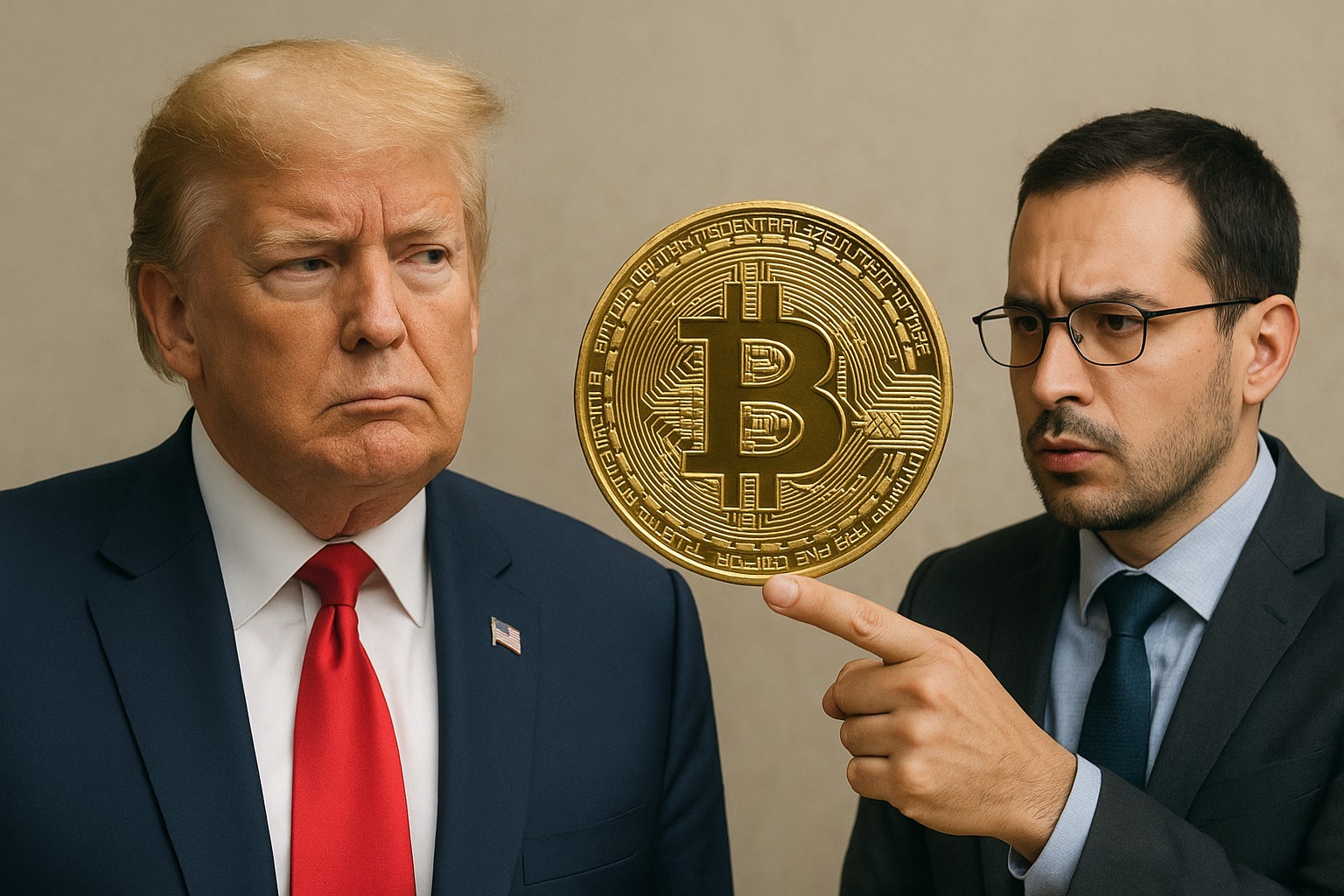
Trump pardon rumors spark dispute as CZ points to US crypto opponents. The chatter isn’t just political gossip—it raises real questions about market competition, regulatory power, and what “rehabilitation” should look like in the crypto industry.
What’s behind the Trump pardon rumors and why CZ is naming US crypto opponents
The latest wave of speculation centers on claims that Changpeng Zhao (CZ), a key figure associated with Binance, believes certain US-based crypto competitors tried to prevent any clemency outcome tied to former President Donald Trump. In plain terms, CZ is suggesting the dispute is less about justice and more about market share—especially if a pardon is seen as a path for Binance to re-enter or expand in the American market.
Whether you view that framing as plausible or self-serving, it taps into a familiar dynamic: crypto is global, but the US market still functions like a “final boss” for legitimacy, liquidity, and institutional partnerships. If one major player regains momentum, rivals may fear a reshuffling of exchange volumes, listings, and talent acquisition.
My take: it’s not hard to imagine competitors lobbying for outcomes that benefit them. What’s harder is separating normal policy advocacy from a coordinated effort to block a specific individual’s legal relief. That distinction matters for credibility, and it’s where the story gets complicated.
Claim lacks public proof: what can be verified and what cannot
A key problem in this dispute is that the most dramatic claim—that rivals pushed back behind the scenes—doesn’t come with publicly verifiable receipts. “Claim lacks public proof” isn’t just a throwaway line; it’s the central issue for anyone trying to evaluate the narrative responsibly. Without documents, named sources, or corroboration, readers are left weighing plausibility rather than evidence.
At the same time, a lack of public proof doesn’t automatically mean the claim is false. Much of DC’s influence work happens through industry groups, off-the-record conversations, and policy positioning that looks “general” on the surface. If a competitor advocated for stricter enforcement, or opposed easing restrictions for a major exchange operator, that could indirectly align with the outcome CZ alleges—without anyone explicitly targeting him.
The practical way to read the situation is to separate three layers:
1) what is asserted, 2) what is provable, and 3) what is structurally likely in a highly competitive market. On layer three, competitive pressure is real; on layer two, the story still feels incomplete.
US crypto regulation and industry rivalry: why a pardon becomes a market event
It may seem odd that pardon rumors can move sentiment in crypto, but the industry has grown into a regulatory-first business. In 2026, exchange access is tied to licensing, banking, compliance staffing, risk controls, and relationships with market makers—so leadership credibility and legal status can materially affect operational pathways.
This is why CZ’s insinuation about “US crypto opponents” resonates: if Binance (or any large offshore-first player) is perceived as regaining political and legal oxygen, competitors may interpret it as a threat to their hard-won US positioning. Even if no immediate relaunch occurs, the signaling effect alone can influence counterparties and partners.
There’s also a reputational layer. For policymakers skeptical of crypto, a pardon narrative can be framed as leniency toward an industry they already distrust. For crypto advocates, it can be framed as correcting overreach. Either way, the event becomes ammunition—used by opponents and supporters alike to argue what kind of industry the US should allow to flourish.
Binance wins recent court relief and what it changes (and doesn’t)
Another reason this story stays in the headlines is timing: Binance has seen recent legal developments that some interpret as relief, even if they don’t erase earlier enforcement pressure. “Binance wins recent court relief” is a phrase that tends to travel fast because it sounds like a comeback—and comebacks attract both believers and critics.
Court dismissals or narrowed claims can reduce litigation risk, improve insurer comfort, and make business partners less hesitant. But readers should be careful: a civil case being dismissed (or partially dismissed) doesn’t necessarily rewrite the entire compliance narrative around a company. It can mean plaintiffs failed to meet a legal standard, lacked standing, or couldn’t connect facts tightly enough to the alleged harm.
In practice, what changes most after legal relief is optionality. It can open doors to negotiations, partnerships, and strategic planning that were previously too risky. What doesn’t change overnight is the broader regulatory environment, which still expects stronger controls, transparency, and demonstrable compliance maturity—especially for firms that once operated with a more aggressive growth playbook.
How to evaluate “crypto opponents” claims: incentives, signals, and missing evidence
The smartest way to approach claims about competitors blocking a pardon is to think like an analyst, not a fan. Incentives matter. If a dominant exchange figure becomes eligible to rebuild influence, rivals have motivation to slow that down—through narrative, policy advocacy, or strategic PR. But motivation alone is not proof of action.
A practical checklist for readers and investors
Use a simple framework to avoid being pulled into tribal interpretations:
- Identify the actors: Which US exchanges or industry groups would plausibly benefit from Binance staying constrained?
- Look for policy alignment: Are there public statements, lobbying disclosures, or trade-group positions that match the alleged pushback?
- Check timeline consistency: Did the advocacy occur before key legal events, or only after rumors gained traction?
- Separate legal from political: A legal settlement, a civil dismissal, and a political pardon are not the same tool—even if headlines blur them.
- Watch counterparties: Banking partners, market makers, and institutional clients often signal whether “return to market” is realistic.
Personally, I also look at what isn’t being said. If claims remain vague—no names, no documents, no specific channels of influence—it may be a strategic narrative meant to reframe the conversation from compliance failures to competitive sabotage. That doesn’t make it worthless, but it should lower confidence until more detail emerges.
What this means for the US crypto market: competition, compliance, and trust
Regardless of how the pardon rumors ultimately shake out, the dispute highlights a bigger reality: crypto firms now compete as much on compliance credibility as they do on fees, liquidity, and product speed. In the US, the “right to operate” is a competitive moat, and companies guard it fiercely.
If major players believe political outcomes can swing market structure, they will invest more in policy influence, legal strategy, and reputation management. That has two downstream effects for everyday users: it can improve standards (because compliance becomes a selling point), but it can also intensify gatekeeping (because incumbents prefer fewer threats).
For users and builders, the best outcome is clarity. Clear rules reduce the value of behind-the-scenes maneuvering and push competition back toward product quality. Until then, stories like this will keep recurring: legal headlines become business headlines, and political narratives become trading narratives.
Conclusion: a dispute fueled by power, not just rumors
The core of “Trump pardon rumors spark dispute as CZ points to US crypto opponents” is less about one personality and more about how crypto power is contested in 2026. When a market is shaped by enforcement, licensing, and reputation, even unproven claims can influence perception and strategy.
Treat the allegation seriously—but not as settled fact. The claim lacks public proof, yet the competitive incentives are obvious. Meanwhile, Binance wins recent court relief adds momentum to the idea that old constraints could soften, which makes rival anxiety at least understandable. Until more verifiable information appears, the most rational stance is cautious attention: follow the evidence, track incentives, and don’t confuse compelling narratives with confirmed reality.