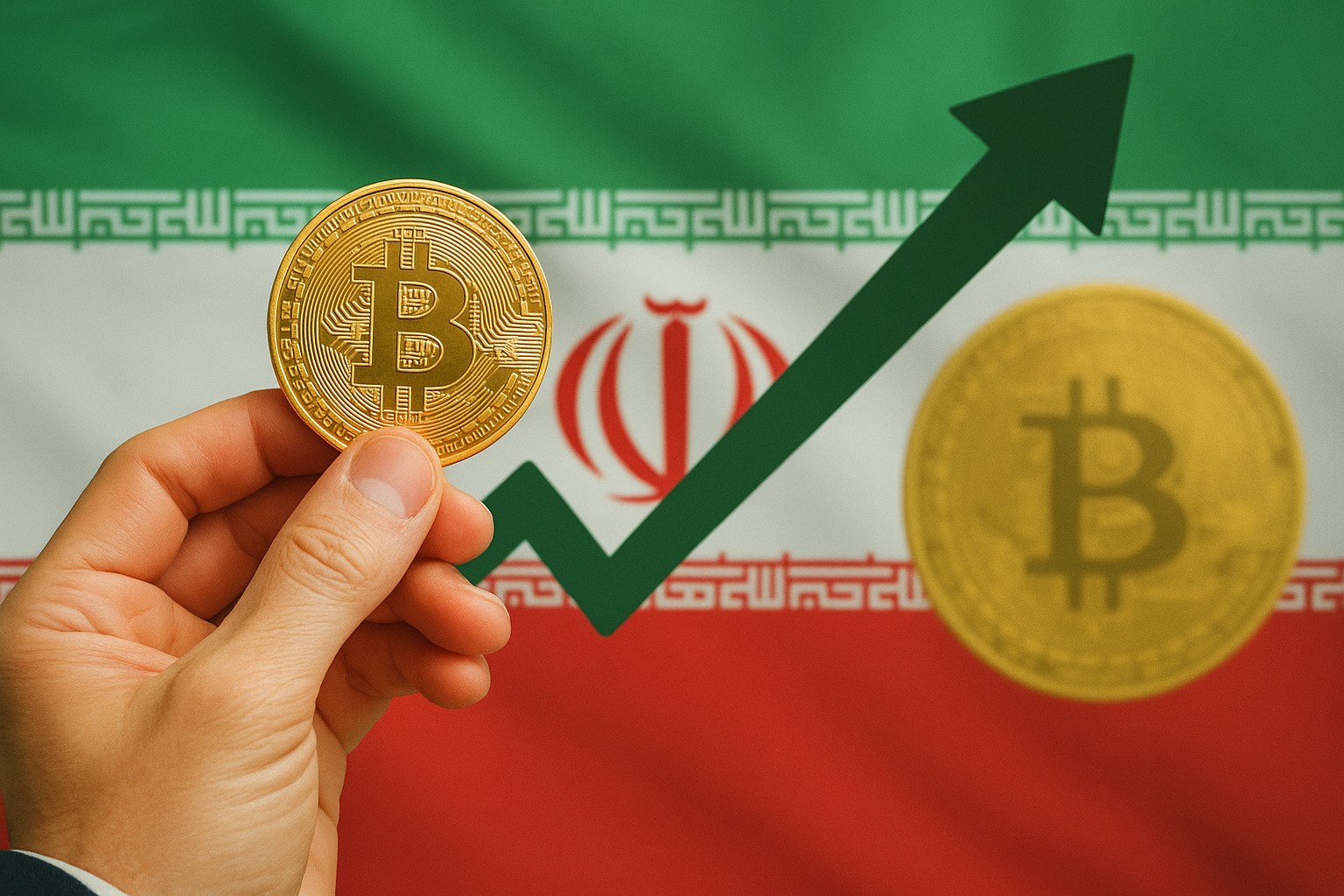
Iran deal progress could boost risk appetite and lift crypto prices, Santiment notes. If the diplomatic path keeps improving, traders may keep rotating capital back into “risk-on” assets like Bitcoin and altcoins, especially as energy and inflation expectations cool.
Why Iran deal progress matters for crypto markets
Geopolitical developments often look far removed from blockchains, but they can shape the macro backdrop that crypto trades in. When markets perceive lower chances of supply disruptions, conflict escalation, or sudden inflation spikes, investors tend to move from capital preservation toward growth positioning. In that environment, crypto can benefit as one of the most liquid high-beta markets globally.
My take is that the direction of narrative change matters more than the exact wording of any agreement. Even partial progress can reduce tail-risk hedging and invite incremental buying. That doesn’t guarantee a straight-line rally, but it can raise the probability of rebounds sticking, because dip buyers face fewer scary headlines in the immediate future.
Crypto also reacts quickly because it trades 24/7 and absorbs global sentiment faster than many traditional markets. If risk appetite improves during a weekend or overnight session, Bitcoin and Ethereum often become the first “macro barometer” investors watch—sometimes before equities open.
From fear to opportunity: how risk appetite returns
When traders are dominated by fear, they prioritize cash, short-duration bonds, and defensive sectors. When the mood shifts, capital often reallocates toward cyclical equities, emerging markets, and alternative assets. Crypto sits near the far end of that risk curve, so it can outperform when confidence returns—especially if leverage had been washed out during the preceding decline.
A key mechanism is expectations: if the market believes energy prices could stabilize or fall, then inflation expectations can soften, and the perceived need for aggressive monetary tightening diminishes. Even if central banks don’t immediately pivot, the rate-of-change in expectations can be enough to lift speculative assets. That’s one reason “risk-on” bursts can happen quickly and feel disproportionate.
Still, risk appetite is fragile. If headlines reverse, crypto can give back gains as fast as it made them. For traders and long-term holders alike, the practical question is not whether geopolitics matters, but how to translate that narrative shift into disciplined positioning rather than chasing candles.
Oil prices, inflation expectations, and liquidity: the macro transmission
Energy is a surprisingly direct bridge from geopolitics to crypto. Lower oil prices can ease transportation and production costs across the economy, feeding into lower inflation prints over time. Even before official data catches up, markets trade the expectation, and that influences real yields, the dollar, and overall liquidity conditions.
If inflation expectations fall, long-term yields may stabilize and financial conditions can loosen at the margin. That helps assets priced on future growth and network adoption—both common frameworks in crypto. In other words, a calmer energy market can reduce the “macro tax” that pushes investors into defensive allocations.
There’s another practical angle: risk assets often rally when uncertainty falls, because funds can reduce hedges (like volatility exposure) and redeploy into directional bets. Crypto, being both volatile and liquid, becomes an easy target for that redeployment. The result can be broad-based strength: Bitcoin leads, majors follow, and smaller caps sometimes see an exaggerated bounce.
On-chain data points to renewed buying
On-chain analytics can help confirm whether a rally is supported by real accumulation or mostly short-term speculation. When Santiment highlights improving sentiment, it’s worth pairing that with hard signals: are coins moving into long-term wallets, or is activity dominated by short-term holders flipping in and out?
A useful mental model is to separate price action into “liquidity moves” and “positioning moves.” Liquidity moves are fast and headline-driven; positioning moves show up in sustained accumulation by cohorts that typically buy dips and hold. If on-chain metrics suggest that larger, historically patient participants are adding exposure, the rally has a sturdier foundation than one driven purely by derivatives.
Practical on-chain indicators to watch (and how to use them)
- Exchange balances and netflows: declining exchange reserves can imply reduced immediate sell pressure; spikes in inflows can warn of distribution risk.
- Wallet cohort accumulation: if multiple holder sizes add during pullbacks, it supports the idea of dip-buying rather than panic selling.
- Spent output and dormancy-style signals: when older coins remain mostly inactive, it often indicates long-term holders are not rushing for exits.
- Funding rates and open interest (cross-check): rising open interest with neutral funding can be healthier than a rally fueled by crowded, expensive longs.
In practice, I like to look for alignment: improving sentiment plus steady accumulation signals plus derivatives not overheating. When those line up, the odds of a sustained push improve—even if volatility remains high.
ETF outflows continue despite improving sentiment
One of the most important “reality checks” for any bullish narrative is whether large, regulated channels are confirming the move. Rival coverage often focuses on a tension we see repeatedly: price can rebound even while ETF flow data looks weak. That doesn’t invalidate the rally, but it does shape the risk profile.
ETF outflows can reflect profit-taking, risk controls, or rebalancing rather than outright bearishness. Institutions may reduce exposure when volatility rises, then re-enter after conditions stabilize. In crypto, this can create a two-phase rally: the first leg driven by retail and offshore liquidity, and the second leg supported by institutional re-accumulation once flows turn.
If outflows persist, it may cap upside temporarily and keep rallies choppy. For traders, that suggests respecting key levels and not assuming that every breakout will follow through. For long-term investors, it suggests a staggered approach: accumulate in tranches rather than betting on a single entry.
What this could mean for Bitcoin, Ethereum, and altcoins
Bitcoin typically benefits first from improved risk appetite because it’s the most liquid and widely held. If macro uncertainty fades, BTC can reclaim prior ranges and then rotate strength into ETH and large-cap alts. Ethereum’s performance often depends on whether the market is comfortable moving out on the risk curve, and whether network narratives (scaling, L2 activity, fee dynamics) are supportive at the same time.
Altcoins can outperform sharply during “risk-on” windows, but they also punish late entries. If the Iran deal progress continues to calm markets, the healthiest alt moves are usually those paired with rising spot volumes and reasonable funding—not the ones driven by thin order books and hype spikes.
From a practical standpoint, consider defining what kind of participant you are:
– If you’re a short-term trader, your edge is risk management: time stops, volatility sizing, and not overstaying crowded moves.
– If you’re a long-term holder, your edge is patience: buy quality assets during fear, and rebalance when sentiment gets euphoric.
Conclusion: a catalyst, not a guarantee
Santiment’s point that Iran deal progress could boost risk appetite and lift crypto prices fits a classic pattern: reduced geopolitical stress can improve macro expectations, ease hedging demand, and invite capital back into volatile assets. Combine that with supportive on-chain signals, and the case for a sturdier rebound becomes more compelling.
At the same time, ETF outflows and still-fragile confidence remind us that one catalyst rarely flips the entire market regime overnight. Treat the diplomatic narrative as a tailwind—use on-chain and flow data as confirmation—and keep a plan for both continuation and reversal. That’s how you benefit from improving sentiment without becoming dependent on it.