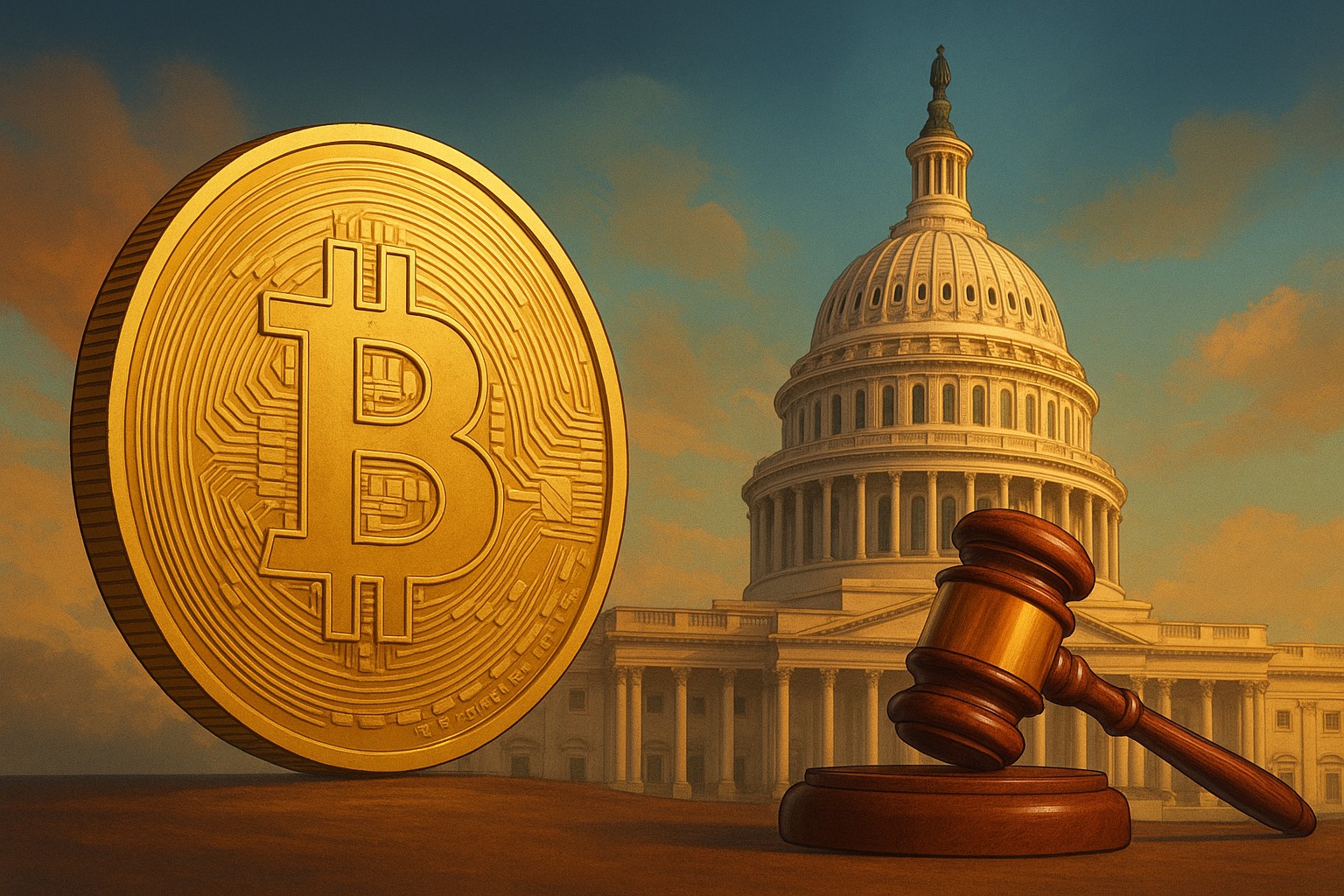
Regulation could be the spark for crypto in 2026 as JPMorgan spotlights the Clarity Act. A credible market-structure framework could turn hesitant institutional interest into durable demand, while also reshaping how tokens are issued, traded, and tokenized across the U.S.
Why a market-structure bill matters more than a single rally
Crypto markets often move on narratives, but regulation is the kind of catalyst that changes incentives, not just sentiment. When rules are unclear, even sophisticated investors hesitate—not because they dislike risk, but because they cannot price legal risk. A U.S. market-structure bill such as the Clarity Act is meaningful precisely because it targets the plumbing: definitions, jurisdiction, compliance pathways, and accountability.
From my perspective, the most underrated point is that regulatory clarity reduces the chance of sudden “reclassification shocks” where a token, platform, or product is treated differently after it scales. That uncertainty forces businesses to build defensively, spend more on lawyers than engineers, and avoid shipping features that might later be considered prohibited. Clearer rules can compress those costs and unlock experimentation—especially for firms that cannot operate in gray zones.
JPMorgan says Clarity Act may spark second-half crypto upswing
JPMorgan’s framing—often repeated in market commentary—is that a structured regulatory shift could be a major tailwind into the second half of 2026. Whether that exact timing proves right is less important than the logic: clearer oversight can invite larger pools of capital, deepen liquidity, and improve market integrity, all of which support higher valuations over time.
If a bill sets a cleaner split of oversight responsibilities and reduces the fear of regulation-by-enforcement, the immediate impact is psychological (risk feels manageable), and the longer-term impact is mechanical (more products can be offered, more counterparties can participate, and more balance sheets can get involved). This is how markets evolve from speculative participation to professionalized participation.
What’s also worth noting: regulatory milestones create multiple “tradeable moments.” The biggest price response might not coincide with passage. It could happen around credible committee progress, draft revisions that remove key uncertainties, or public signals from agencies about how they will implement the law.
Regulatory clarity and SEC vs CFTC: what changes for investors and builders
The most practical effect of a market-structure bill is improved predictability. If the SEC vs CFTC boundary is clarified, teams can design tokens and platforms with a clearer compliance map, and investors can assess whether an asset is likely to be treated as a security, a commodity, or something else with bespoke rules.
Today, many market participants price in a “legal discount”—a haircut applied to valuations because outcomes are ambiguous. Clearer jurisdiction can reduce that discount, particularly for U.S.-linked projects, centralized exchanges, brokers, and token issuers trying to serve U.S. users without constantly shifting their product scope.
Concrete ways regulatory clarity can show up in the market
- Tighter spreads and better liquidity as more market makers and prime brokers become comfortable providing services at scale
- More compliant listings because exchanges can standardize due diligence and token review processes
- Lower cost of capital for crypto companies as lenders and investors face fewer unknown compliance liabilities
- Better consumer protections that raise confidence among mainstream users (which matters more than crypto-native users admit)
- Faster product iteration because teams aren’t designing every feature around worst-case enforcement scenarios
In my view, the “SEC vs CFTC” piece is not just a legal nuance—it’s the difference between building a U.S. business with a roadmap versus building a U.S. business with an escape plan.
Institutional adoption and tokenization: where the real demand could come from
Retail interest can move prices, but institutional adoption can change market depth. The most realistic path to sustained demand is not a sudden wave of institutions buying everything—it’s a gradual shift from small experimental allocations to repeatable, risk-managed exposure: custody, compliance, reporting, and governance that investment committees can sign off on.
If regulation lowers reputational and legal risk, institutions can treat crypto less like an exception and more like an asset class with standard operating procedures. That has follow-on effects: more derivatives usage for hedging, more structured products, and a stronger role for primes and custodians. Over time, that deepens liquidity and reduces the odds that markets are dominated by thin-volume swings.
Tokenization is the second leg. A clearer U.S. rulebook can move real-world asset tokenization from pilot programs to production systems—because issuance, transfer rules, and secondary trading requirements become definable. The most investable angle here is not hype around a single tokenized asset, but the compounding effect of more on-chain settlement and collateral workflows across finance.
“Buy the rumor, sell the news”: how a 2026 catalyst may be priced in early
Markets rarely wait for the signing ceremony. If traders believe the Clarity Act has a credible path to passage, the price response may begin well ahead of the final vote, with volatility around key dates. This is where the classic buy the rumor, sell the news dynamic becomes relevant: anticipation bids up assets, the confirmation event triggers profit-taking, and then fundamentals determine whether a second leg higher follows.
A practical way to think about this is in phases. First, narrative adoption: more mainstream discussion, clearer odds of passage, more analyst notes. Second, positioning: flows into large caps, then rotation into higher beta names. Third, de-risking near the event: traders reduce leverage and lock profits. Fourth, re-risking if implementation details are favorable and macro conditions cooperate.
If you’re a long-term investor, the takeaway isn’t to “trade headlines.” It’s to recognize that entry points can become less forgiving as the probability of a regulatory shift rises. If you’re a short-term trader, the takeaway is the opposite: plan for event-driven volatility and avoid anchoring to a single date.
Practical playbook: positioning for a regulation-driven crypto market in 2026
A regulation-led shift tends to reward quality: assets with resilient liquidity, platforms with compliance readiness, and business models that can scale within rules. That doesn’t mean everything safe goes up, but it does mean the market may start differentiating more sharply between sustainable projects and those that rely on ambiguity.
For investors, consider building a checklist that reflects how institutions think: custody standards, transparent governance, legal risk, and revenue durability. For builders, “compliance as a feature” becomes a competitive advantage—because distribution expands when counterparties are comfortable integrating with you.
In personal terms, I’d rather be slightly early with a rules-based plan than perfectly late with a vibes-based thesis. Regulation narratives can reverse quickly when political incentives shift, so it’s wise to define what would invalidate your view (for example: delays, watered-down definitions, or agency implementation that keeps uncertainty high).
Conclusion: Clarity Act as a catalyst—but not the only variable
Regulation could be the spark for crypto in 2026 as JPMorgan spotlights the Clarity Act, because market structure changes can unlock institutional adoption, improve liquidity, and accelerate tokenization. But timing is likely to be messy, with markets potentially pricing in progress long before a final signature—and reacting sharply to setbacks along the way.
The most useful approach is to treat regulatory clarity as a framework shift, not a single-day event. If the U.S. moves toward clearer SEC vs CFTC boundaries and away from regulation-by-enforcement, the long-run effect could be less about a one-off rally and more about crypto becoming easier to own, build, and integrate at scale.