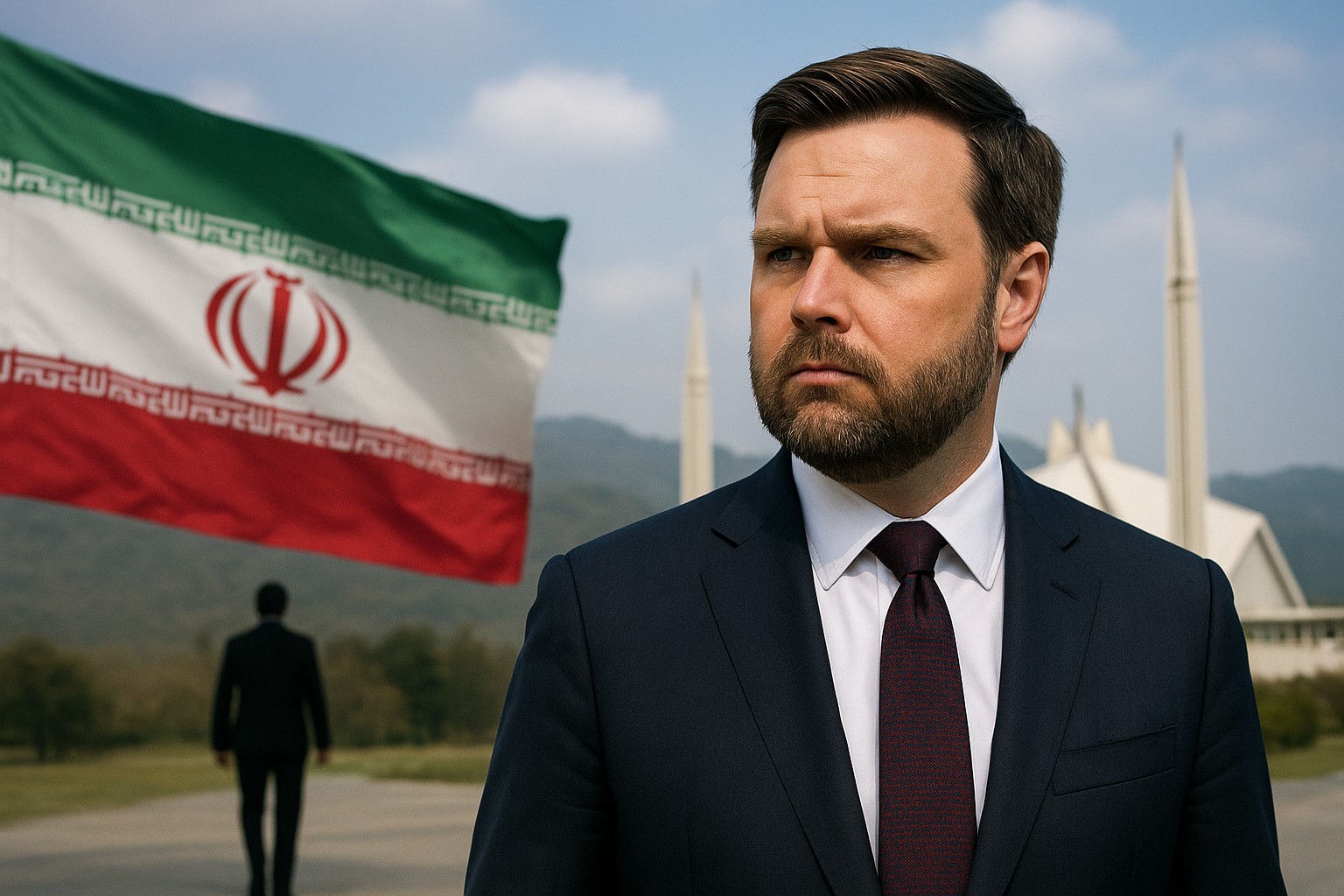
Iran no show concerns shadow JD Vance journey to Islamabad. With a ceasefire deadline looming and mixed signals from Tehran and Washington, Pakistan is attempting to keep diplomacy alive in a tense, security-heavy setting.
Why “Iran No Show” Rumors Matter More Than the Photo-Op
When headlines focus on whether Iran will even arrive, it can sound like optics and protocol. In reality, an absent delegation changes everything: it removes the possibility of rapid confidence-building, limits the scope of technical discussions, and increases the risk that both sides weaponize the absence as proof of bad faith. In high-stakes diplomacy, “who shows up” is often a proxy for “who is prepared to compromise.”
There’s also a structural problem: if one party travels and the other doesn’t, the meeting becomes less a negotiation and more an event—statements, briefings, and positioning for domestic audiences. That can still be useful (signaling red lines, offering off-ramps), but it rarely produces the kind of detailed sequencing needed for de-escalation.
From a practical perspective, the uncertainty forces Islamabad and intermediaries to plan two tracks at once: a full, multi-party negotiation scenario and a fallback scenario where Pakistan hosts a US delegation that can only engage via indirect channels. That duplication increases the odds of miscommunication, especially when security restrictions limit movement and informal contact.
JD Vance’s Islamabad Trip: Objectives, Risks, and the Clock
The political logic behind sending a high-level figure like JD Vance is straightforward: it signals seriousness, elevates the meeting’s profile, and creates a focal point for decision-making. But the higher the profile, the higher the cost of failure. If the trip yields no tangible progress—or is perceived as theater—the reputational damage can harden positions on all sides.
The risk is amplified by timing. A looming ceasefire expiry (or any hard deadline) tends to compress decision-making into an emotional, zero-sum sprint. That environment rewards maximalist narratives, because each side fears appearing weak at the exact moment the clock runs out. Even if negotiations are continuing in backchannels, a public “no plans to attend” message can become the dominant story, pushing leaders to double down.
In my experience as a writer watching these cycles repeat, deadlines don’t just motivate diplomacy; they also motivate blame assignment. If talks don’t happen, the next phase often becomes a contest over who tried harder—because that story can justify escalatory steps to domestic audiences and allied partners.
What Pakistan Is Attempting as Mediator
Pakistan’s role is not simply to provide a venue. It is attempting to shape a process that can survive disappointment—especially if Iran’s participation remains ambiguous. The most credible mediators do three things at once: reduce miscalculation, create safe channels for verification, and offer face-saving language that lets each side claim it defended national interests.
Pakistan also has incentives to keep the temperature down. A regional crisis can affect energy flows, trade routes, domestic security planning, and investor sentiment. Hosting talks—successful or not—positions Islamabad as a consequential diplomatic hub, but it also puts pressure on its security apparatus and foreign ministry to manage intense scrutiny.
How Islamabad can keep a fragile process alive
- Structured indirect talks: separate rooms, timed message shuttles, and written non-papers to reduce ambiguity
- Process language over outcome language: agree on next steps (technical teams, timelines, agendas) even if political agreement is not immediate
- Deconfliction protocols: hotlines, incident reporting, and maritime/airspace coordination to prevent sparks from becoming fires
- Third-party verification options: propose neutral monitoring mechanisms that do not look like surrender to any side
- Media discipline: limit public “wins” to reduce the incentive for the other party to walk away
If Pakistan frames the effort as an ongoing diplomatic track rather than a single make-or-break meeting, it creates room to continue even after a stumble. That matters when public statements are contradictory and trust is low.
Security Lockdown, Signaling, and the Problem of Mistrust
A heavy security posture around an international visit is normal, but in a climate of suspicion it becomes part of the message. Lockdowns, restricted zones, and high-visibility deployments can be interpreted in multiple ways: prudent protection, political theater, or preparation for something else entirely. When mistrust is already high, each side reads the same action through its worst-case lens.
This is where “no show” concerns become especially destabilizing. If Tehran suspects the meeting is a setup—whether for narrative framing or for strategic surprise—then confirming attendance carries perceived risk. Conversely, if Washington believes Iran is stalling, then proceeding without Iran can look like the only way to keep pressure on while maintaining a posture of openness to diplomacy.
The practical fix is boring but effective: transparent logistics and tightly scoped agendas. The more a host country can clarify movement plans, meeting formats, and who will be present (even if indirectly), the less oxygen there is for conspiracy-driven escalation. That doesn’t eliminate mistrust, but it reduces the number of accidental triggers.
Iran Peace Talks: Scenarios for the Next 72 Hours
“Iran peace talks” is a convenient label, but what happens next likely falls into a small set of scenarios. The key variable is not only whether Iran shows up, but whether both sides authorize negotiators to discuss concrete sequencing—what happens first, what gets verified, and what triggers snapback responses if commitments are broken.
Scenario one is a late confirmation and a tightly choreographed meeting, with limited public detail but enough private structure to extend the ceasefire or at least prevent immediate collapse. Scenario two is partial engagement: no formal Iranian delegation in the room, but indirect exchanges through Pakistan or other intermediaries that produce a short extension or a commitment to meet again.
Scenario three—often overlooked—is the “meeting that isn’t a meeting”: press statements, diplomatic consultations, and security coordination that aim to prevent miscalculation even as the political track stalls. This scenario can still reduce danger, but markets and media usually treat it as failure because it doesn’t look like a breakthrough.
From a reader’s standpoint, the most useful lens is to watch for process indicators rather than dramatic quotes: confirmation of technical teams, agreement on an agenda, mention of verification, and any shared language about extending timelines.
What the Outcome Means for Crypto Markets (and Broader Risk Assets)
It might seem odd to connect a diplomatic visit to digital assets, but markets translate geopolitical risk into pricing surprisingly fast. When uncertainty rises—especially around energy corridors, sanctions risk, or regional escalation—traders often rotate between risk-on and risk-off positions, and crypto can swing sharply depending on liquidity conditions and the dollar’s strength.
If talks appear to stabilize the situation, it can reduce the risk premium that pushes capital into defensive postures. That doesn’t guarantee a crypto rally, but it can remove one source of volatility, particularly for assets that react to macro headlines. If talks collapse—or if the narrative becomes that diplomacy was merely performative—expect sharper moves, wider spreads, and more sensitivity to secondary news like shipping disruptions or sanctions updates.
For practical decision-making, it helps to separate three layers:
1. Headline risk: sudden spikes tied to attendance confirmation, ceasefire extensions, or breakdowns
2. Policy risk: sanctions, enforcement actions, and banking restrictions that affect on/off ramps
3. Liquidity risk: broader financial conditions that determine whether traders buy dips or de-risk
My personal take: if you’re trading crypto around geopolitical events, you’re often trading narrative speed rather than fundamentals. That’s fine—if you size positions accordingly and accept that information arrives unevenly.
Conclusion: Diplomacy Can Move Even When Delegations Don’t
Iran no show concerns shadow JD Vance journey to Islamabad because absence would reshape the meeting into a contest of narratives rather than a negotiation over steps and verification. Pakistan’s challenge is to keep a mediation track credible under deadline pressure, intense security, and deep mistrust.
Even if Iran does not appear in Islamabad publicly, diplomacy can still move through indirect channels—provided the process is structured, disciplined, and focused on preventing miscalculation. The next few days are less about grand speeches and more about whether a workable mechanism emerges to extend calm and keep doors open for the next round.