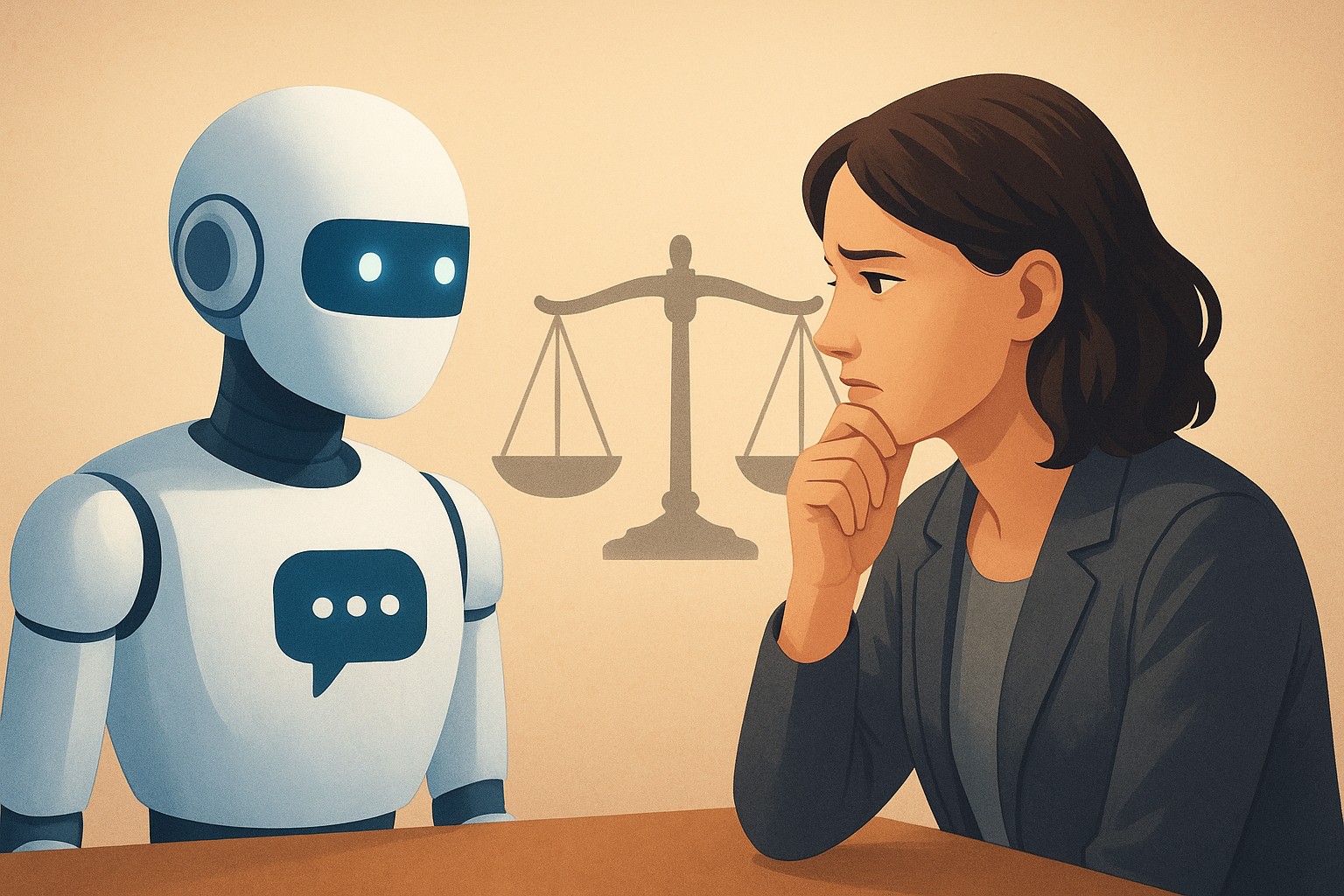
AI counseling chatbots draw regulatory scrutiny as more states weigh bans, and the debate is quickly shifting from novelty to public-safety policy. As lawmakers move faster than federal agencies, companies and clinicians are being forced to define what AI can do in mental health care—and what it should never do.
What Are AI Counseling Chatbots—and Why They Matter Now
AI counseling chatbots are conversational tools that simulate supportive dialogue, often marketed as help for stress, anxiety, loneliness, or coaching. Some are positioned as wellness companions; others inch closer to therapy-like services by offering coping strategies, mood tracking, or advice that feels clinical. That blurry line is exactly why regulators are paying attention: the user experience can resemble therapy even when the product is not supervised like therapy.
The stakes are unusually high because mental health users often arrive in vulnerable moments—late at night, in crisis, or without access to affordable care. When a tool feels empathic and authoritative, people may follow its guidance as if it came from a licensed professional. Even well-intentioned prompts can misfire when users disclose self-harm, abuse, psychosis, or medication questions.
From my perspective as a writer who tracks health tech, the conversation is no longer about whether chatbots can be helpful in a narrow sense—they can. The issue is what happens when convenience and scale outpace guardrails, and the market quietly normalizes AI as a substitute for trained clinical judgment.
Why States Are Acting Now
State lawmakers are moving because they see a familiar pattern: a fast-growing product category reaching consumers before clear oversight exists. In mental health, that gap can cause outsized harm. Unlike many consumer apps, counseling-like bots can influence decisions about safety, relationships, and treatment—areas where mistakes aren’t just annoying, they can be dangerous.
Another driver is the way these tools are distributed. Some are marketed directly to consumers, while others are offered through employers, schools, or benefits platforms, creating an impression of legitimacy. When a chatbot sits inside a “health” ecosystem, people reasonably assume it is vetted like other clinical services. States, which traditionally regulate professional practice and patient protection, are stepping in to draw a boundary.
There’s also a pragmatic political reason: waiting for federal consensus can take years. States can act faster with targeted restrictions—especially when constituents, clinicians, and advocacy groups raise concerns about safety, privacy, and misleading advertising.
The Patchwork of Proposed Bans and Restrictions (and What They Actually Target)
Not every proposal is a total ban on AI in mental health. Many measures focus on clinical use—preventing AI from providing therapy, psychotherapy, diagnosis, or treatment planning without a licensed professional in control. This matters because it preserves a path for administrative and supportive functions while limiting the riskiest use cases.
A common legislative pattern is to allow AI for back-office efficiency—scheduling, documentation assistance, benefits navigation, and other non-clinical tasks—while prohibiting AI from acting as the primary therapeutic agent. That distinction tries to keep innovation alive without letting “therapy by algorithm” become a default substitute for care.
The practical reality for companies is compliance complexity. A state-by-state patchwork can force product redesigns, geo-fencing, different consent flows, different escalation protocols, and different marketing language. For providers and health systems, it can mean contract reviews and policy updates to ensure that AI tools are not accidentally positioned as diagnosis or treatment.
Common policy elements appearing in state proposals
- Scope definitions: whether the law covers therapy, psychotherapy, diagnosis, or broader mental health support
- Who is regulated: app makers, clinicians, health systems, insurers, schools, employers, or all of the above
- Permitted vs. prohibited uses: administrative automation allowed, clinical judgment functions restricted
- Enforcement mechanisms: state attorneys general, licensing boards, civil penalties, or consumer protection statutes
- Disclosure requirements: clear labeling that the user is interacting with AI and not a licensed therapist
- Crisis escalation expectations: suicide/self-harm routing, emergency prompts, and human handoff standards
Risks Regulators Are Trying to Prevent: Safety, Privacy, and False Authority
The most obvious risk is unsafe guidance. Large language models can produce confident-sounding outputs that are wrong, mismatched, or context-blind—especially when users share complex trauma, substance use, domestic violence, or severe depression. A chatbot may not reliably recognize when a user needs urgent human intervention, and even when it does, it might offer generic crisis resources that don’t fit the situation.
Privacy is the second major concern. Mental health conversations can contain intensely sensitive data: diagnoses, medication history, sexual experiences, abuse disclosures, and identifying details. Users may not realize how their messages are stored, processed, or used for model improvement. Even when data isn’t “sold,” it can be shared with vendors, analyzed for engagement, or exposed through breaches. Regulators worry that sensitive disclosures could be used in ways consumers never intended.
A quieter but powerful risk is false authority. When an app is branded with therapy-like language—calm design, supportive tone, clinical phrasing—people tend to over-trust it. That effect can be strongest for teens, isolated adults, or anyone who feels judged by human gatekeepers. The policy question becomes: should an AI be allowed to functionally perform therapy even if it is legally labeled as wellness?
Compliance and Ethical Guardrails for Developers and Providers
If you build, deploy, or recommend mental-health chatbots, the safe path is to design for transparency, limitations, and human oversight. Regulators increasingly expect that high-risk tools will have stronger controls than ordinary consumer chat. That includes product language that does not imply diagnosis or treatment, clear user disclosures, and escalation pathways when users mention self-harm or imminent danger.
For clinicians and healthcare organizations, vendor due diligence is becoming essential. It’s not enough to ask whether a tool is “HIPAA-compliant” (and many consumer products are not covered entities anyway). You also need to examine the actual behavior: what the bot says in edge cases, how it responds to crisis statements, and whether it ever frames its output as medical or clinical advice.
My personal take: the best actors will treat regulation as a design spec, not a barrier. If an AI product can’t clearly explain its limits, log its safety performance, and hand off to humans appropriately, it probably shouldn’t sit anywhere near mental health care—no matter how impressive the demos look.
The Broader AI Regulation Trend and What to Expect Next
These state efforts fit into the broader AI regulation trend: lawmakers are carving out “high-risk” zones where AI can’t replace human judgment, especially when health, safety, or civil rights are on the line. Mental health is an especially sensitive area because outcomes are hard to measure, oversight is inconsistent, and harms can be deeply personal.
Expect more specific rules about marketing claims, disclosures, and what counts as practicing therapy without a license. In the near term, states will likely continue to lead, creating a compliance mosaic. Over time, federal agencies may respond with clearer guidance on consumer protection, data handling, and clinical decision support—particularly if high-profile incidents bring national attention.
The market will also adapt. Some products will pivot toward coaching and general wellness with careful boundaries. Others will integrate licensed professionals directly into the experience, using AI for summaries, triage, and administrative support rather than frontline counseling. That hybrid model—AI assisting, humans deciding—aligns better with how regulation is shaping up.
Conclusion: A Useful Tool, but a Dangerous Substitute
AI counseling chatbots can expand access to support, reduce stigma, and provide always-on coping tools—but they also introduce real safety, privacy, and accountability risks. The current wave of proposals shows that states are unwilling to treat therapy-like AI as just another app category, especially when it appears to replace licensed care.
If you’re building or deploying these tools, the direction is clear: keep AI in assistive roles, be explicit about limitations, and engineer reliable crisis escalation and privacy protections. Regulation may feel disruptive, but in mental health, strong guardrails are what keep innovation from becoming avoidable harm.